
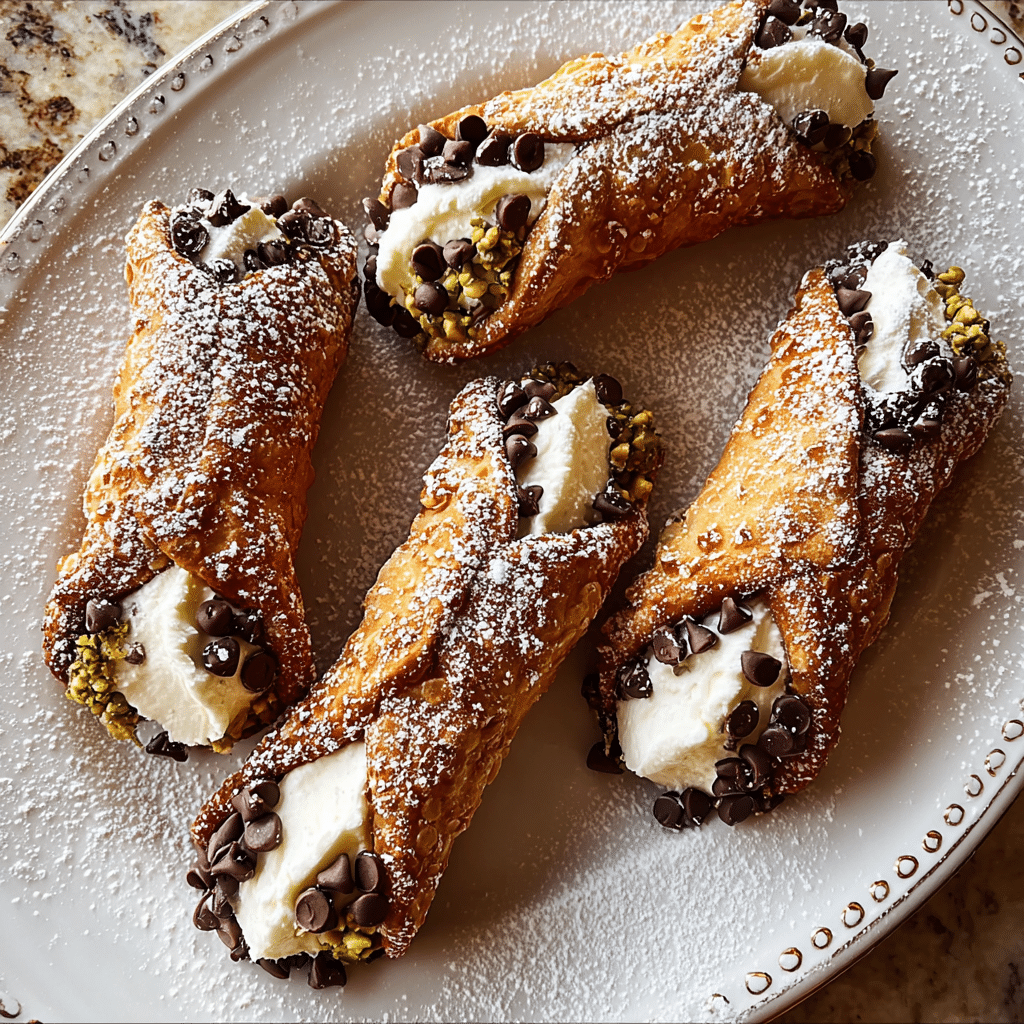
Homemade cannoli just saying those words brings back a flood of memories from my trip to Sicily, where I watched a nonna expertly pipe ricotta into golden shells that shattered at first bite. I’m Emeli, and if you’ve ever bitten into a store-bought cannoli only to find soggy shells and grainy filling, I feel your disappointment. That’s exactly why I’m sharing this authentic homemade cannoli recipe today.
This recipe promises restaurant-quality cannoli with crispy, bubble-covered shells and a silky-smooth ricotta filling that’s perfectly balanced between sweet and rich. After years of experimenting in my kitchen and learning from Italian bakers during my travels, I’ve cracked the code to cannoli that rival anything you’d find in a traditional Italian pastry shop.
In this guide, I’ll walk you through everything: from achieving the perfect shell texture to creating a filling that won’t make your cannoli soggy. You’ll learn proper dough handling, the ideal frying temperature, and my secret tip for keeping these pastries crisp until the moment you serve them.
Why This Homemade Cannoli Recipe Works
There’s something magical about making cannoli from scratch, and this recipe takes all the guesswork out of the process. Here’s why this homemade cannoli recipe delivers bakery-perfect results every single time:
- Uses simple, pantry-friendly ingredients – No hard-to-find specialty items required
- Foolproof dough technique – The addition of vinegar creates tender, crispy shells that won’t crack
- Make-ahead friendly – Prepare shells in advance and fill just before serving for maximum crunch
- Perfectly balanced sweetness – Not overly sugary like commercial versions
- Authentic Italian flavor – Draining the ricotta overnight is the secret to creamy, non-watery filling
Choosing the Right Ingredients for Your Homemade Cannoli Recipe
The quality of your cannoli depends entirely on selecting the right ingredients. Let me guide you through what makes this recipe shine.
Best Ingredients for This Homemade Cannoli Recipe
For the Shells: All-purpose flour is your foundation here. It provides the perfect structure for shells that are crispy yet tender enough to bite through without shattering everywhere. The cold butter creates flakiness, while the vinegar (or lemon juice) adds acidity that tenderizes the gluten, preventing tough, chewy shells.
For the Filling: Whole milk ricotta is non-negotiable. Part-skim ricotta is too watery and grainy. The overnight draining step removes excess moisture, transforming ordinary ricotta into a dense, creamy filling that won’t leak or make your shells soggy within minutes.
Buying Tips for Your Homemade Cannoli Recipe
Ricotta cheese: Look for ricotta with minimal ingredients – just milk, cream, and salt. Avoid brands with stabilizers or gums. If possible, visit an Italian deli for fresh-made ricotta. The difference is remarkable.
Flour: Any quality all-purpose flour works beautifully. I prefer unbleached for a slightly richer flavor.
Chocolate chips: Mini chips distribute better throughout the filling. Use high-quality chocolate – it makes a difference you can taste.
Substitutions for Your Homemade Cannoli Recipe
Can’t find cannoli tubes? Use wooden dowels or metal tubes from kitchen supply stores. In a pinch, you can even create cylinders from aluminum foil wrapped around thick dowels, though metal conducts heat more evenly.
Ricotta alternatives: While traditional cannoli use ricotta, you can blend mascarpone with ricotta (50/50) for an even creamier filling. Some Sicilian variations use sheep’s milk ricotta for a tangier flavor.
Gluten-free option: A gluten-free all-purpose flour blend can work, though the shells may be slightly more delicate.
Ingredients & Prep for Your Homemade Cannoli Recipe
Proper preparation is half the battle when making cannoli. Here’s everything you need and how to prep it correctly.
Shell Preparation for Your Homemade Cannoli Recipe
Shell Ingredients:
- 2 cups all-purpose flour
- 2 tbsp sugar
- 2 tbsp cold butter, cubed
- 1 egg yolk
- 1/2 cup water (adjust as needed)
- 1 tsp vinegar or lemon juice
- Oil for frying (vegetable or canola)
The Critical Prep Step: Once you’ve mixed your dough, wrap it tightly in plastic wrap and refrigerate for at least 30 minutes. This resting period allows the gluten to relax, making the dough easier to roll thin without springing back. It also helps the butter firm up, which creates those beautiful bubbles during frying.
Filling Ingredients for Your Homemade Cannoli Recipe
- 2 cups ricotta cheese (drained overnight)
- 1/2 cup powdered sugar
- 1 tsp vanilla extract
- 1/4 tsp cinnamon (optional)
- 1/3 cup mini chocolate chips
Draining the ricotta: Line a fine-mesh strainer with cheesecloth or paper towels, add your ricotta, and place it over a bowl. Cover and refrigerate overnight. You’ll be amazed at how much liquid drains out – this is the secret to non-soggy cannoli.
Essential Tools for Your Homemade Cannoli Recipe
- Rolling pin
- Metal cannoli tubes (4-5 inches long)
- Deep pot or deep fryer
- Candy/oil thermometer
- Piping bag with large round tip
- Spider strainer or slotted spoon

Step-by-Step Cooking Instructions for Your Homemade Cannoli Recipe
Let me walk you through each step with the same care I’d show if you were standing in my kitchen beside me.
Pre-Cooking Prep for the Homemade Cannoli Recipe
Step 1: Make your dough by combining flour and sugar in a large bowl. Cut in the cold butter until the mixture resembles coarse crumbs. In a separate bowl, whisk together egg yolk, water, and vinegar. Pour into the flour mixture and stir until a rough dough forms.
Step 2: Turn the dough onto a floured surface and knead for about 5 minutes until smooth and elastic. Wrap tightly and refrigerate for 30 minutes minimum (or up to 24 hours).
Step 3: Roll the chilled dough on a lightly floured surface to 1/8-inch thickness. It should be thin enough to see your hand through it but not so thin it tears. Cut circles using a 4-inch round cutter (or a wide-mouth glass).
Step 4: Wrap each circle around a metal cannoli tube, overlapping the edges by about 1/2 inch. Brush the overlap with egg white to seal securely. Don’t wrap too tightly – the shell needs to slip off easily once fried.
Cooking Method for the Homemade Cannoli Recipe
Step 1: Pour oil into a deep, heavy pot to a depth of at least 3 inches. Heat to exactly 350°F (175°C). This temperature is crucial – too hot and the shells brown before cooking through; too cool and they absorb oil and become greasy.
Step 2: Carefully lower 2-3 wrapped tubes into the hot oil (don’t overcrowd). Fry for 1-2 minutes, turning occasionally with tongs, until deep golden brown and covered in tiny bubbles.
Step 3: Remove with a spider strainer and drain on paper towels. Let cool for about 2 minutes, then carefully twist and slide the shell off the tube. The shell should release easily if properly fried.
Step 4: Return the tubes to the oil to heat them before wrapping the next batch. Continue until all shells are fried.
Filling Your Homemade Cannoli Recipe
Step 1: In a large bowl, beat the drained ricotta with powdered sugar, vanilla, and cinnamon (if using) until smooth and creamy. Don’t overmix – you want it silky, not whipped.
Step 2: Gently fold in the mini chocolate chips with a spatula. Transfer the filling to a piping bag fitted with a large round tip.
Step 3: Pipe filling into each shell from both ends, working toward the center. Fill completely but don’t overstuff – the filling shouldn’t ooze out the ends.
Critical timing: Fill cannoli no more than 1 hour before serving. The longer they sit, the soggier the shells become.
Resting & Finishing Your Homemade Cannoli Recipe
Once filled, dust your cannoli generously with powdered sugar. For an extra-special presentation, dip the ends in melted chocolate, then roll in chopped pistachios or mini chocolate chips. The chocolate creates a delicious seal that also helps prevent the filling from making the shell ends soggy.
Serve immediately for maximum crispness and enjoy the fruits of your labor!
Pro Tips for Perfect Homemade Cannoli Recipe
Let me share the tricks I’ve learned that separate good cannoli from extraordinary ones.
Avoiding Common Mistakes with Your Homemade Cannoli Recipe
Preventing soggy shells: This is the number one complaint about homemade cannoli. The solution is threefold: drain your ricotta thoroughly, fill shells just before serving, and if making ahead, you can pipe chocolate inside the shells first to create a moisture barrier.
Achieving crispy shells: The dough must be rolled thin, the oil temperature must stay at 350°F, and don’t skip the vinegar in the dough. That acid is your insurance policy against tough, chewy shells.
Preventing cracks while frying: Make sure your dough is well-chilled and don’t roll it too thin. Cracks usually mean the dough is too warm or stretched too aggressively.
Tool Recommendations for Your Homemade Cannoli Recipe
Cannoli tubes: Invest in stainless steel tubes. They conduct heat evenly and last forever. You’ll need at least 6-8 tubes to make this recipe efficiently.
Thermometer: A candy/oil thermometer is essential. Guessing oil temperature leads to disappointing results.
Piping bag: A sturdy piping bag with a 1/2-inch round tip makes filling easy and mess-free. Disposable bags work great and save cleanup time.
Storage & Make-Ahead Tips for Your Homemade Cannoli Recipe
Unfilled shells: Store in an airtight container at room temperature for up to 1 week or freeze for up to 2 months. They stay remarkably crispy.
Filling: Prepare the ricotta mixture (without chocolate chips) up to 2 days ahead. Stir in chips just before filling to prevent color bleeding.
Filled cannoli: Eat within 1-2 hours for best texture. After that, they’re still delicious but the shells soften.
Flavor Variations for Your Homemade Cannoli Recipe
One of the joys of making homemade cannoli is customizing them to your taste. Here are my favorite variations.
Creative Twists on Your Homemade Cannoli Recipe
Sicilian Citrus: Add 1 tablespoon of fresh orange zest and 1 teaspoon of lemon zest to your ricotta filling. Fold in candied orange peel instead of chocolate chips for an authentic Sicilian touch.
Chocolate Lover’s Dream: Mix 2 tablespoons of cocoa powder into your ricotta filling and use dark chocolate chips. Dip both ends in melted chocolate and roll in chocolate shavings.
Pistachio Paradise: Replace chocolate chips with chopped roasted pistachios. Add a few drops of almond extract to the filling. Dip shell ends in white chocolate and crushed pistachios.
Coffee Cannoli: Add 1 tablespoon of espresso powder to the ricotta filling. Mix in crushed chocolate-covered espresso beans instead of plain chocolate chips.
Dietary Adaptations for Your Homemade Cannoli Recipe
| Variation | Modification | Notes |
|---|---|---|
| Reduced Sugar | Use half the powdered sugar; add liquid stevia to taste | Filling will be less sweet but still delicious |
| Gluten-Free | Use gluten-free 1:1 baking flour | Shells may be more delicate; handle gently |
| Dairy-Free | Use dairy-free ricotta alternative | Cashew-based ricotta works best; must still drain overnight |
| Lower Fat | Use part-skim ricotta (drained extra well) | Texture will be slightly less creamy |
| Vegan | Use vegan ricotta + aquafaba instead of egg yolk | Requires vegan butter; shells may be less flaky |
Serving Suggestions for Your Homemade Cannoli Recipe
Cannoli deserve to be the star of the show, but the right accompaniments make the experience even more memorable.
Classic Italian presentation: Arrange cannoli on a platter dusted with powdered sugar. Add fresh berries (strawberries, raspberries) and a sprig of mint. The fruit provides a refreshing contrast to the rich filling.
Coffee pairings: Serve with strong espresso or cappuccino for an authentic Italian experience. The bitter coffee perfectly balances the sweet cannoli.
Dessert wine: A glass of Moscato d’Asti or Vin Santo makes an elegant pairing. For something bolder, try a tawny port.
Complete the spread: Serve alongside other Italian pastries like biscotti or pignoli cookies. Add a bowl of fresh whipped cream for those who want extra indulgence.
Plating tip: For individual servings, place one cannoli diagonally on a dessert plate, dust with powdered sugar, and add a small pool of chocolate sauce and a few fresh berries.
FAQs About This Homemade Cannoli Recipe
Let me answer the questions I hear most often about making cannoli at home.
Can I use pre-made cannoli shells? Absolutely! Pre-made shells save time, though homemade shells taste noticeably fresher. If using store-bought, fill them within 30 minutes of serving to maintain whatever crispness they have.
Why is my ricotta filling grainy? You likely didn’t drain the ricotta long enough, or you overmixed it. Drain overnight and mix just until smooth. High-quality ricotta makes a difference too.
Can I bake the shells instead of frying? You can, but they won’t have the same crispy texture or authentic flavor. Baked shells are denser and less delicate. If you must bake, brush with oil and bake at 400°F for about 10 minutes.
How do I prevent shells from sticking to the tubes? Make sure the tubes are hot when you wrap the dough. After frying, let shells cool for 2 minutes before removing – they’ll release much easier when slightly cooled but still warm.
Can I make mini cannoli? Yes! Cut 2-inch circles and use smaller tubes. Frying time reduces to about 45 seconds. They make adorable party treats.
What if my dough is too dry or too wet? If too dry, add water 1 teaspoon at a time. If too wet, knead in flour 1 tablespoon at a time. The dough should be smooth and elastic, not sticky or crumbly.
Is this recipe safe during pregnancy? Yes, as long as you use pasteurized ricotta (most commercial ricotta is pasteurized). Check the label to confirm. The shells are cooked at high temperature, making them safe.
Can I freeze filled cannoli? I don’t recommend it. The shells become soggy when thawed. Freeze unfilled shells and prepare the filling fresh when ready to serve.
Conclusion
There’s something incredibly satisfying about pulling a tray of golden, crispy cannoli shells from hot oil, knowing you’ve created something truly special from scratch. This homemade cannoli recipe has been my go-to for years, and I’m thrilled to share it with you.
Whether you’re preparing these for a special occasion or simply treating yourself to a taste of Italy on a Tuesday evening, I promise the effort is worth every bite. The combination of delicate, crispy shells and luscious ricotta filling is pure magic.
If you enjoyed this recipe, be sure to share it with your friends or save it for later! I’d love to see your unique twist feel free to post your photos on Pinterest!
Print
Homemade Cannoli Recipe | Crispy Shells & Creamy Ricotta Delight
- Total Time: 45 minutes
- Yield: 12 cannoli 1x
- Diet: Vegetarian
Description
Crispy golden cannoli shells filled with rich, creamy ricotta and chocolate chips an authentic Italian dessert made easy at home.
Ingredients
2 cups all-purpose flour
2 tbsp sugar
2 tbsp cold butter, cubed
1 egg yolk
1/2 cup water
1 tsp vinegar or lemon juice
Oil for frying
2 cups ricotta cheese (drained overnight)
1/2 cup powdered sugar
1 tsp vanilla extract
1/4 tsp cinnamon (optional)
1/3 cup mini chocolate chips
Instructions
1. Mix flour, sugar, and butter until crumbly.
2. Add egg yolk, water, and vinegar. Knead into a smooth dough.
3. Chill dough for 30 minutes, then roll out thin.
4. Cut into 4-inch circles, wrap around tubes, and seal with egg white.
5. Fry in hot oil (350°F) until golden, then cool.
6. Mix ricotta, sugar, vanilla, cinnamon, and chocolate chips.
7. Pipe filling into shells and dust with powdered sugar.
Notes
Fill cannoli just before serving for the best crunch.
Store unfilled shells up to 5 days in an airtight container.
Try adding orange zest or dipping in melted chocolate for variation.
- Prep Time: 30 minutes
- Cook Time: 15 minutes
- Category: Dessert
- Method: Frying
- Cuisine: Italian
Nutrition
- Serving Size: 1 cannoli
- Calories: 210
- Sugar: 15g
- Sodium: 90mg
- Fat: 10g
- Saturated Fat: 5g
- Unsaturated Fat: 3g
- Trans Fat: 0g
- Carbohydrates: 22g
- Fiber: 1g
- Protein: 6g
- Cholesterol: 35mg
Keywords: Homemade Cannoli Recipe, Italian dessert, ricotta filling