
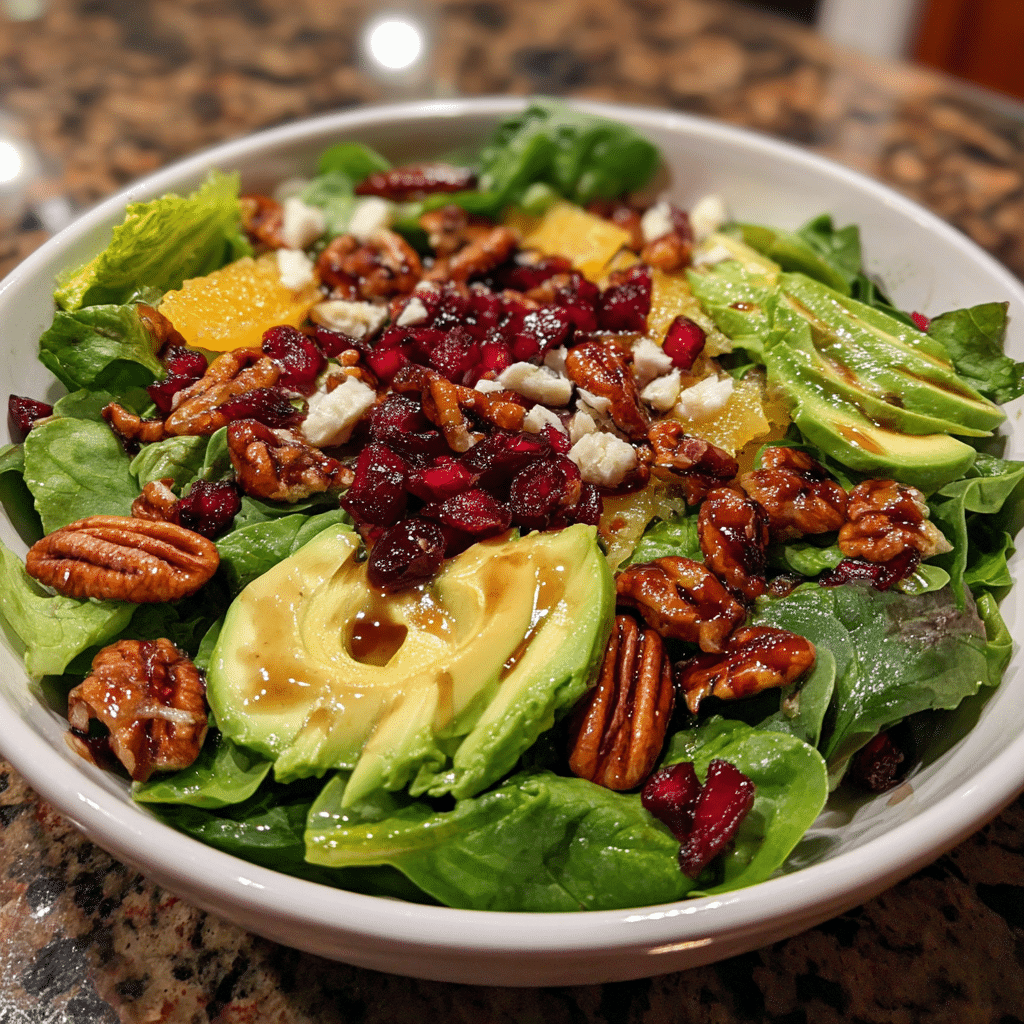
Hey there! I’m Emeli, and if there’s one thing I’ve learned from years of experimenting in kitchens around the world, it’s this: winter doesn’t have to mean heavy, boring salads. In fact, some of my most memorable meals have been crisp, colorful winter salads that bring together roasted vegetables, fresh greens, and a tangy dressing that makes everything sing. I still remember the first time I made a winter salad that truly worked it was during a particularly cold January in my tiny apartment kitchen, and I was craving something fresh but comforting. That’s when this Winter Salad Recipe was born, and it’s been a staple at my table ever since.
Tired of limp, flavorless salads that leave you unsatisfied? This Winter Salad Recipe changes everything. It’s a beautiful balance of roasted seasonal vegetables, crisp greens, and a bright citrus dressing that brings warmth and freshness to even the coldest days. Whether you’re looking for a light lunch, a stunning side dish, or a meal that feels both nourishing and indulgent, this recipe delivers.
After years of exploring farmers’ markets across different continents and learning from home cooks and chefs alike, I’ve mastered the art of creating salads that are anything but afterthoughts. This Winter Salad Recipe combines simple techniques with bold flavors, proving that seasonal cooking can be both effortless and extraordinary.
In this guide, you’ll discover why this salad works so well, how to choose the freshest winter ingredients, step-by-step assembly instructions, pro tips for perfect texture, creative variations to suit any palate, and answers to your most common salad questions.
Why This Winter Salad Recipe Works
This isn’t just another salad it’s a celebration of winter’s best produce, transformed into something truly special. Here’s what makes this Winter Salad Recipe a game-changer:
Uses seasonal, affordable ingredients – Winter vegetables like squash, beets, and hearty greens are at their peak flavor and won’t break the bank. No need to hunt down expensive out-of-season produce.
Comes together in 30 minutes – With simple roasting and quick assembly, this Winter Salad Recipe fits perfectly into busy weeknight dinners or last-minute entertaining.
Perfect for any occasion – Serve it as a light main course for lunch, a stunning side dish for holiday gatherings, or a meal-prep option that stays fresh for days. The roasted vegetables and sturdy greens hold up beautifully, making this salad incredibly versatile.
Balances comfort and freshness – The warm roasted vegetables provide that cozy, satisfying element winter meals need, while crisp greens and bright citrus dressing keep everything light and vibrant. It’s the perfect middle ground between heavy winter comfort food and fresh, energizing salads.
Choosing the Right Ingredients for Your Winter Salad Recipe
The secret to an exceptional Winter Salad Recipe lies in selecting quality seasonal ingredients that bring both flavor and texture to the table.
Best Vegetables for This Winter Salad Recipe
Winter is prime time for root vegetables and hearty greens. For this recipe, I recommend using butternut squash for its natural sweetness, beets for earthy depth and gorgeous color, or Brussels sprouts for a slightly bitter contrast. Carrots add crunch and brightness, while sweet potatoes bring creamy richness. Choose vegetables that roast well and hold their shape you want tender bites, not mushy pieces.
Selecting Your Greens
Not all greens are created equal for winter salads. Look for sturdy varieties like kale, which stands up to warm vegetables and hearty dressings without wilting immediately. Arugula adds a peppery kick, while mixed winter greens provide variety in both flavor and texture. Baby spinach works well if you prefer something milder. The key is choosing greens that won’t wilt the moment you add your toppings.
Shopping and Substitution Tips
When shopping for your Winter Salad Recipe, look for firm vegetables without soft spots or blemishes. Root vegetables should feel heavy for their size, and greens should be crisp and vibrant. If you can’t find a specific vegetable, feel free to swap freely within the root vegetable family parsnips can replace carrots, turnips can substitute for beets, and any winter squash variety will work beautifully. Don’t be afraid to ask your grocer which vegetables just came in or what’s at peak freshness that week.
Ingredients & Prep for Your Winter Salad Recipe
Getting your ingredients prepped properly is half the battle when creating the perfect Winter Salad Recipe.
Prep Essentials for This Winter Salad Recipe
Start by washing and thoroughly drying your greens this step is crucial because wet greens prevent the dressing from clinging properly, leaving you with a watery, under-seasoned salad. Use a salad spinner if you have one, or pat them dry with clean kitchen towels. For your vegetables, aim for even chopping so everything roasts at the same rate. I like to cut my vegetables into bite-sized pieces, roughly one to one-and-a-half inches. Roast your vegetables until just tender, not mushy you want them to have a slight bite and caramelized edges that add depth of flavor.
Dressing Components for Your Winter Salad Recipe
The dressing brings everything together in this Winter Salad Recipe. You’ll need good quality olive oil as your base, fresh citrus juice for brightness (lemon, orange, or a combination works beautifully), Dijon-style mustard for tang and emulsification, and an optional natural sweetener like honey or maple syrup to balance the acidity. Whisk everything together and let the dressing sit for about 10 minutes before using this resting time allows the flavors to meld and develop, creating a more cohesive taste.
Pantry Staples for This Winter Salad Recipe
Keep it simple with sea salt, black pepper, olive oil, and citrus. These basic ingredients are all you need to elevate your Winter Salad Recipe from good to extraordinary. Quality matters here use a good olive oil you’d be happy to taste on its own, and freshly cracked black pepper makes a noticeable difference. Fresh citrus beats bottled juice every time, so squeeze it yourself when possible.
Step-by-Step Cooking Instructions for Your Winter Salad Recipe
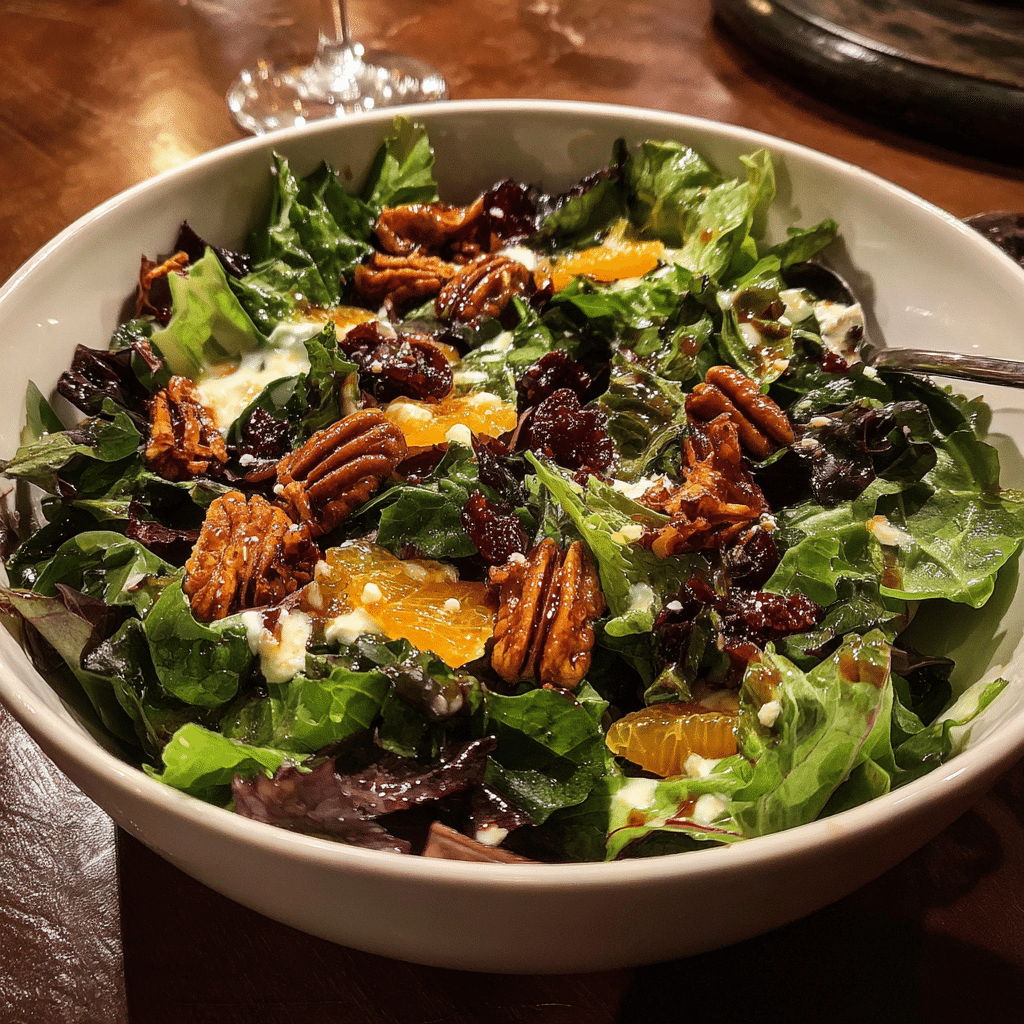
Follow these simple steps to create a perfectly balanced Winter Salad Recipe every time.
Pre-Prep for This Winter Salad Recipe
Before you start assembling, make sure all your components are ready. Chop your vegetables into evenly-sized pieces to ensure uniform cooking. Roast them ahead of time if you’re meal prepping they can be made up to three days in advance and stored in the refrigerator. Allow roasted vegetables to cool slightly before assembling your salad; you want them warm or room temperature, not piping hot, which would wilt your greens instantly.
Assembly Method for This Winter Salad Recipe
Here’s where technique matters. Start by tossing your greens with the dressing first, using just enough to coat the leaves lightly without drowning them. This ensures every bite has flavor. Then gently fold in your roasted vegetables, being careful not to break them apart or mash them into the greens. Add any toppings last nuts, seeds, cheese, or dried fruit distributing them evenly throughout the salad. This layered approach keeps everything fresh, vibrant, and beautifully presented.
Texture Check for This Winter Salad Recipe
As you assemble, aim for a balance of textures that makes every bite interesting. You want crisp greens that provide freshness, tender roasted vegetables that offer warmth and sweetness, and crunchy toppings like toasted nuts or seeds that add contrast. If something feels off maybe too soft or too one-note adjust by adding more of what’s missing. A little crunch goes a long way in making this Winter Salad Recipe memorable.
Resting Time for This Winter Salad Recipe
Once assembled, let your salad sit for about 5 minutes before serving. This brief resting time allows the flavors to meld beautifully, the dressing to settle into all the nooks and crannies, and the slightly warm vegetables to gently wilt the greens just enough without making them soggy. It’s a small step that makes a big difference in the final result.
Pro Tips for Perfect Winter Salad Recipe Results
After making countless versions of this Winter Salad Recipe, I’ve learned a few tricks that take it from good to unforgettable.
Avoiding Soggy or Bland Salads in Your Winter Salad Recipe
The biggest mistake people make is overdressing their salads or adding dressing too early. Always dress your salad just before serving, and start with less dressing than you think you need you can always add more, but you can’t take it away. Make sure your greens are completely dry before dressing them, and don’t overcrowd your roasting pan when cooking vegetables. Crowded vegetables steam instead of roast, resulting in bland, mushy pieces instead of caramelized, flavorful bites.
Tool Recommendations for Your Winter Salad Recipe
Invest in a good salad spinner to dry greens efficiently, and use a large mixing bowl that gives you plenty of room to toss without making a mess. A sharp chef’s knife makes vegetable prep quick and safe, while a quality whisk helps emulsify your dressing properly. For roasting, use a heavy-duty sheet pan that conducts heat evenly and won’t warp in the oven.
Storage & Meal Prep for This Winter Salad Recipe
This Winter Salad Recipe is perfect for meal prep with a few modifications. Store your roasted vegetables, washed greens, and dressing in separate containers in the refrigerator for up to four days. Assemble individual portions as needed to keep everything fresh. Roasted vegetables can be enjoyed cold, at room temperature, or gently rewarmed in a low oven. Avoid pre-dressing the entire batch unless you plan to eat it within a few hours.
Flavor Variations for Your Winter Salad Recipe
One of the best things about this Winter Salad Recipe is how easily it adapts to different flavor profiles and dietary needs.
Spicy Twist on This Winter Salad Recipe
Add heat by incorporating roasted chickpeas tossed with cayenne and smoked paprika, or drizzle your finished salad with a spicy honey made by infusing honey with red pepper flakes. Diced jalapeños or a dash of hot sauce in your dressing can also provide that kick without overwhelming the other flavors.
Keto and Paleo Adaptations for This Winter Salad Recipe
This recipe is naturally adaptable to keto and paleo diets. Skip any sweetener in the dressing, or use a sugar-free option if needed. Add more healthy fats by including avocado slices, increasing the olive oil in your dressing, or topping with nuts and seeds. The roasted vegetables are already perfectly compliant, making this an easy option for those following low-carb or ancestral eating patterns.
Global Flavor Inspirations for Your Winter Salad Recipe
Transform this base recipe by incorporating global flavors. Try a Middle Eastern version with tahini dressing, pomegranate seeds, and za’atar-roasted vegetables. Go Asian-inspired with a miso-ginger dressing, sesame seeds, and edamame. For a Mediterranean twist, add feta cheese, olives, and a lemon-oregano dressing. The possibilities are endless, and each variation brings something unique to the table.
Here’s a quick reference guide for flavor variations:
| Style | Dressing Base | Vegetable Seasoning | Toppings | Best Greens |
|---|---|---|---|---|
| Classic Winter | Citrus-Dijon | Olive oil, salt, pepper | Pecans, dried cranberries | Kale, arugula |
| Middle Eastern | Tahini-lemon | Cumin, coriander | Pomegranate, pistachios | Mixed greens |
| Asian-Inspired | Miso-ginger | Sesame oil, soy sauce | Sesame seeds, edamame | Baby spinach |
| Mediterranean | Lemon-oregano | Olive oil, garlic | Feta, olives, pine nuts | Arugula |
| Spicy Southwestern | Lime-chipotle | Chili powder, cumin | Pepitas, cotija cheese | Romaine, spinach |
Serving Suggestions for Your Winter Salad Recipe
This Winter Salad Recipe shines on its own but becomes even more spectacular when paired thoughtfully with complementary dishes and beverages.
Serve this salad alongside roasted chicken or grilled fish for a complete meal that balances protein with fresh vegetables. It pairs beautifully with creamy soups like butternut squash or potato leek, providing textural contrast and freshness. For holiday gatherings, present it on a large platter as a stunning centerpiece that looks as impressive as it tastes. The colors of roasted vegetables against crisp greens make for a visually striking dish.
For beverage pairings, consider a crisp white wine like Sauvignon Blanc or Pinot Grigio, which complement the citrus notes in the dressing without overpowering the vegetables. If you prefer red, a light Pinot Noir works well. For beer lovers, a wheat beer or pale ale provides refreshing contrast. Non-alcoholic options like sparkling water with lemon or a light iced herbal tea also pair wonderfully.
FAQs About This Winter Salad Recipe
Can I use frozen vegetables for this Winter Salad Recipe?
While fresh vegetables provide the best texture and flavor, frozen can work in a pinch. Make sure to thaw and thoroughly dry them before roasting, as excess moisture will prevent proper caramelization. Frozen vegetables tend to release more water, so roast them at a slightly higher temperature and give them extra time to develop color.
How do I fix an overdressed Winter Salad Recipe?
If you’ve added too much dressing, the best solution is to add more undressed greens to absorb the excess. You can also add more toppings or roasted vegetables to help balance the ratio. Unfortunately, you can’t remove dressing once added, so always start with less than you think you need.
Can I make this Winter Salad Recipe ahead for meal prep?
Absolutely! The key is keeping components separate until serving. Store roasted vegetables, washed and dried greens, prepared dressing, and any toppings in individual containers. Assemble individual portions as needed throughout the week. The vegetables actually taste better the next day as flavors deepen, and properly stored greens stay crisp for four to five days.
Is this Winter Salad Recipe safe during pregnancy?
Yes, this recipe is generally safe for pregnant women when using properly washed greens and fully cooked roasted vegetables. However, if adding soft cheeses or any raw ingredients, check with your healthcare provider about specific restrictions. The beauty of this recipe is that everything is customizable to your needs.
How long does this Winter Salad Recipe keep?
Undressed, the components can be stored separately for up to four days. Once dressed, the salad is best consumed within a few hours as the greens will begin to wilt. Leftover roasted vegetables can be frozen for up to three months and reheated when needed.
Conclusion
There you have it a Winter Salad Recipe that proves seasonal eating can be both simple and extraordinary. With perfectly roasted vegetables, crisp greens, and a bright citrus dressing that ties everything together, this salad transforms winter produce into something truly special. It’s become one of those recipes I return to again and again, whether I’m cooking for myself on a quiet weeknight or entertaining friends on a cold weekend.
If you enjoyed this recipe, be sure to share it with your friends or save it for later! I’d love to see your unique twist feel free to post your photos on Pinterest!
Print
Winter Salad Recipe for Fresh, Cozy, and Healthy Winter Meals
- Total Time: 45
- Yield: 4 1x
Description
A vibrant winter salad featuring perfectly roasted seasonal vegetables, crisp greens, and a bright citrus dressing. This recipe balances warm, caramelized vegetables with fresh, crunchy greens for a satisfying meal that’s both comforting and light. Perfect for weeknight dinners or holiday gatherings.
Ingredients
4 cups mixed winter greens (kale, arugula, or spinach), washed and dried
2 cups butternut squash, cubed (1-inch pieces)
1 cup Brussels sprouts, halved
1 cup beets, peeled and cubed
2 tablespoons olive oil (for roasting)
Sea salt and black pepper to taste
1/4 cup extra virgin olive oil (for dressing)
2 tablespoons fresh citrus juice (lemon or orange)
1 teaspoon Dijon mustard
1 teaspoon honey or maple syrup (optional)
1/4 cup toasted pecans or walnuts
2 tablespoons dried cranberries
2 tablespoons crumbled feta or goat cheese (optional)
Instructions
1. Preheat oven to 425°F (220°C). Line a large baking sheet with parchment paper.
2. Toss butternut squash, Brussels sprouts, and beets with 2 tablespoons olive oil, salt, and pepper. Spread in a single layer on the baking sheet.
3. Roast vegetables for 25-30 minutes, stirring halfway through, until tender and caramelized at the edges. Remove and let cool slightly.
4. While vegetables roast, prepare the dressing: whisk together 1/4 cup olive oil, citrus juice, Dijon mustard, and sweetener (if using) in a small bowl. Let sit for 10 minutes.
5. Wash and thoroughly dry your greens using a salad spinner or clean kitchen towels.
6. In a large mixing bowl, add the greens and drizzle with about half the dressing. Toss gently to coat.
7. Add the roasted vegetables to the bowl and gently fold them into the greens.
8. Top with toasted nuts, dried cranberries, and cheese if using.
9. Let the salad rest for 5 minutes before serving to allow flavors to meld.
10. Serve with remaining dressing on the side.
Notes
Vegetables can be roasted up to 3 days in advance and stored in the refrigerator.
Keep all components (greens, roasted vegetables, dressing, toppings) separate until ready to serve for best results.
Substitute any root vegetables you prefer: carrots, sweet potatoes, parsnips, or turnips all work beautifully.
For a vegan version, omit cheese and use maple syrup instead of honey in the dressing.
To make this a complete meal, add grilled chicken, salmon, or chickpeas for protein.
The salad is best consumed within a few hours of dressing, though undressed components keep for 4-5 days.
For extra crunch, toast your nuts in a dry skillet for 3-5 minutes before adding to the salad.
- Prep Time: 15
- Cook Time: 30
- Category: Salad
- Method: Roasting
- Cuisine: American
Nutrition
- Serving Size: 1
- Calories: 285
- Sugar: 8
- Sodium: 245
- Fat: 21
- Saturated Fat: 3
- Unsaturated Fat: 17
- Trans Fat: 0
- Carbohydrates: 24
- Fiber: 6
- Protein: 5
- Cholesterol: 5
Keywords: winter salad, roasted vegetables, seasonal salad, healthy salad, kale salad, butternut squash salad, citrus dressing, meal prep salad