
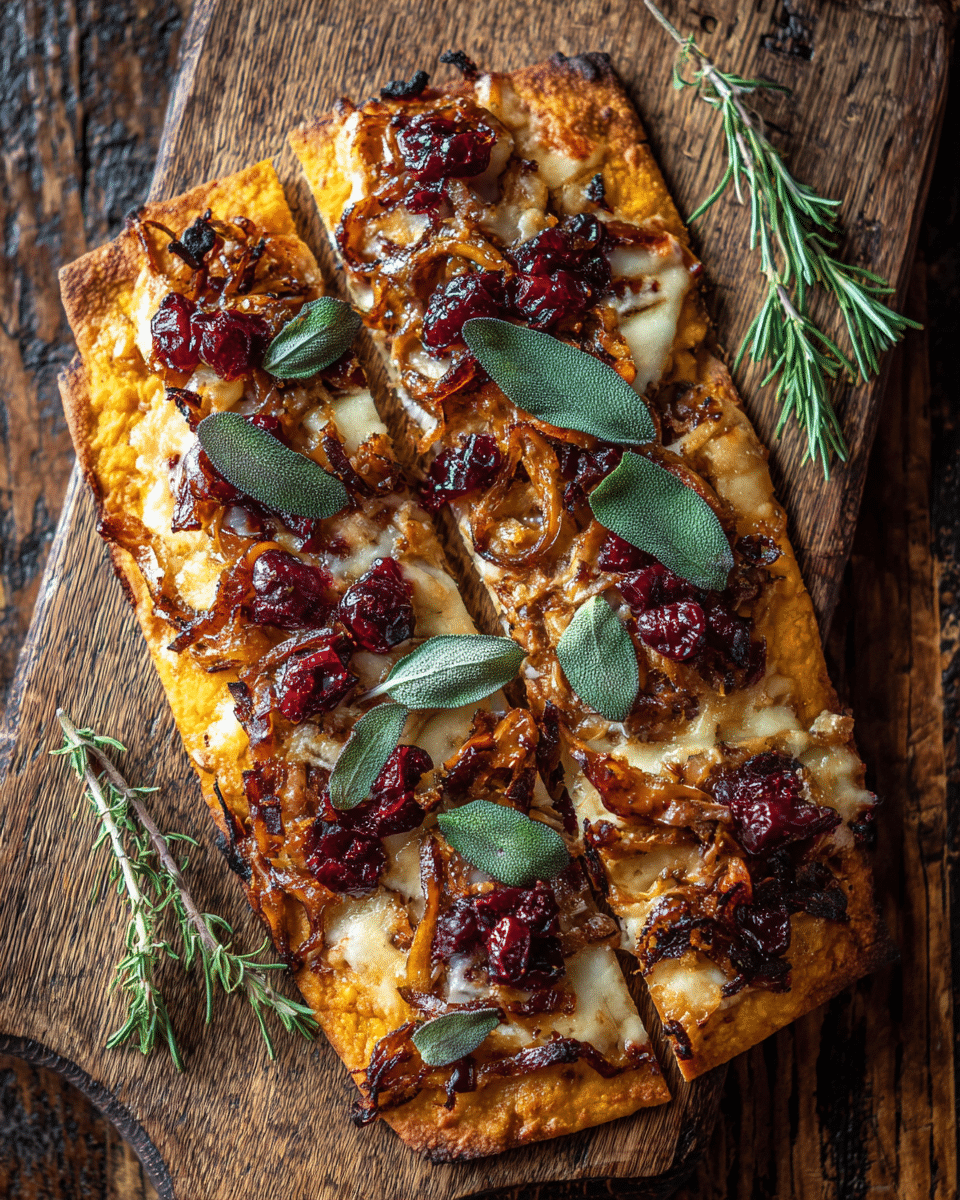
Tired of bland, uninspired bread options that leave your taste buds yawning? Whether you’re hosting a dinner party or preparing a simple family meal, finding that perfect bread companion can be challenging. This Sweet Potato Flatbread recipe delivers a warm, aromatic, and slightly sweet experience that transforms any meal into a memorable occasion.
This golden-hued flatbread combines the natural sweetness of sweet potatoes with aromatic herbs and spices to create a versatile bread that’s as beautiful as it is delicious. With its tender interior and lightly crisp exterior, each bite delivers comfort food magic that will have everyone reaching for more.
In this comprehensive guide, you’ll discover why sweet potato flatbread deserves a place in your recipe collection, how to select the perfect sweet potatoes, step-by-step preparation instructions, flavor variations, and serving suggestions that will elevate your dining experience.
Why This Sweet Potato Flatbread Recipe Works
The beauty of this sweet potato flatbread lies in its perfect balance of flavor, texture, and versatility. Here’s why this recipe deserves a spot in your regular rotation:
- Uses affordable, nutrient-dense ingredients that transform humble sweet potatoes into gourmet bread
- Requires minimal kneading time for maximum tenderness and a pillowy-soft texture
- Perfect for weeknight dinners or weekend brunches with flexible preparation options
- Naturally gluten-free adaptable without sacrificing flavor or texture
- Provides a wholesome base for both savory and sweet toppings
- Makes meal prep efficient with batch-cooking and freezing options
- Delivers consistent results even for beginner bakers
The natural sweetness of sweet potatoes creates a depth of flavor that ordinary flatbreads simply can’t match. Plus, you’ll be incorporating a nutritional powerhouse into your bread, making each bite as beneficial as it is delicious.
Choosing the Right Sweet Potatoes for Flatbread
The foundation of exceptional sweet potato flatbread begins with selecting the perfect tubers. Understanding the differences between varieties will significantly impact your final result.
Best Sweet Potato Varieties for This Recipe
- Garnet or Jewel sweet potatoes: Their vibrant orange flesh provides the ideal moisture content and natural sweetness that makes this flatbread exceptional.
- Japanese sweet potatoes: With their purple skin and yellow flesh, these create a slightly drier, more starchy flatbread with a chestnut-like flavor.
- Hannah sweet potatoes: Their pale flesh lends a milder sweetness and lighter color to the flatbread, perfect when you want the sweet potato flavor to be more subtle.
Buying Tips for Sweet Potatoes
When shopping for sweet potatoes, look for firm, smooth-skinned tubers without soft spots or wrinkles. Medium-sized sweet potatoes (about 5-7 inches long) typically offer the best flavor concentration. Avoid any with sprouts or green discoloration, as these indicate age and potential bitterness.
Store your sweet potatoes in a cool, dark place—not the refrigerator, which can affect their flavor and texture. For the best results in your flatbread, use sweet potatoes within 1-2 weeks of purchase.
Substitutions for Sweet Potatoes
If sweet potatoes aren’t available, consider these alternatives:
- Butternut squash: Creates a similarly sweet and moist flatbread with a slightly different flavor profile. Check out our Ricotta Cranberry Stuffed Butternut Squash recipe for more ways to use this versatile ingredient.
- Pumpkin puree: Offers seasonal flavor but requires adjusting the flour ratio due to higher moisture content.
- Carrots: Provide natural sweetness with a more subtle flavor; best when finely grated and squeezed to remove excess moisture.
Ingredients & Prep for Sweet Potato Flatbread
Creating the perfect sweet potato flatbread requires quality ingredients and proper preparation. Here’s what you’ll need to gather before getting started.
Sweet Potato Prep Essentials
Before incorporating sweet potatoes into your flatbread dough, you’ll need to prepare them properly:
- Washing and peeling: Scrub sweet potatoes thoroughly under cold water. While peeling is optional, removing the skin creates a smoother texture in the finished flatbread.
- Cooking methods:
- Bake whole sweet potatoes at 400°F (200°C) for 45-60 minutes until completely tender
- Microwave pierced sweet potatoes for 8-10 minutes, turning halfway
- Steam peeled and cubed sweet potatoes for 15-20 minutes until fork-tender
- Cooling and mashing: Allow cooked sweet potatoes to cool completely before mashing to a smooth consistency. Lumps will create inconsistent texture in your flatbread.
Core Ingredients
For the perfect sweet potato flatbread, gather these essentials:
- Sweet potato puree: 1½ cups (about 2 medium sweet potatoes)
- All-purpose flour: 2½ cups, plus extra for dusting
- Baking powder: 1½ teaspoons for proper rise
- Salt: 1 teaspoon to enhance flavors
- Olive oil: ¼ cup for dough elasticity
- Greek yogurt: ½ cup for tang and tenderness
- Warm water: ¼ to ½ cup, as needed for dough consistency
Flavor Enhancers and Add-ins
Take your flatbread to the next level with these optional flavor boosters:
- Spices: Cumin, coriander, smoked paprika, or cinnamon (½-1 teaspoon)
- Fresh herbs: Rosemary, thyme, or sage (1-2 tablespoons, finely chopped)
- Seeds: Sesame, poppy, or nigella seeds for topping (1-2 tablespoons)
- Garlic: 2-3 cloves, minced for savory variations
- Cheese: ¼ cup grated parmesan or nutritional yeast for umami depth

Step-by-Step Sweet Potato Flatbread Cooking Instructions
Follow these detailed instructions for perfectly tender, flavorful sweet potato flatbread every time.
Pre-Cooking Sweet Potato Flatbread Prep
Prepare the sweet potato: Ensure your mashed sweet potato is completely cool and smooth. If using leftover sweet potatoes, bring to room temperature for easier mixing.
Mix dry ingredients: In a large bowl, whisk together the flour, baking powder, salt, and any dry spices until well combined.
Combine wet ingredients: In a separate bowl, mix the mashed sweet potato, olive oil, and Greek yogurt until smooth and uniform.
Form the dough:
- Create a well in the center of the dry ingredients
- Pour in the sweet potato mixture
- Gradually incorporate the dry ingredients into the wet, adding warm water as needed
- Mix until a soft, slightly sticky dough forms
- Be careful not to overmix, which can make the flatbread tough
Rest the dough: Cover the bowl with a damp kitchen towel and let the dough rest for at least 30 minutes at room temperature. This allows the flour to fully hydrate and makes the dough easier to handle.
Cooking Method for Sweet Potato Flatbread
Divide and shape:
- Lightly flour your work surface
- Divide the dough into 8-10 equal portions (about 80-90g each)
- Roll each portion into a ball, then flatten with your palm
- Using a floured rolling pin, roll each ball into a 6-7 inch circle, about ¼ inch thick
- For rustic flatbreads, don’t worry about perfect circles
Cooking on the stovetop:
- Heat a cast-iron skillet or heavy-bottomed pan over medium-high heat
- Lightly brush the pan with olive oil
- Place one flatbread in the hot pan and cook for 2-3 minutes until bubbles form on the surface and the bottom develops golden-brown spots
- Flip and cook for another 1-2 minutes
- Transfer to a plate and cover with a clean kitchen towel to keep warm while cooking the remaining flatbreads
Oven-baking method (for larger batches):
- Preheat your oven to 425°F (220°C)
- Place rolled-out flatbreads on parchment-lined baking sheets
- Brush tops lightly with olive oil and sprinkle with desired toppings
- Bake for 8-10 minutes until puffed and golden
Doneness Check for Sweet Potato Flatbread
Perfectly cooked sweet potato flatbread should have:
- Golden-brown spots on both sides
- A slightly puffed appearance
- Tender and flexible texture without being doughy in the center
- Pleasant aroma of cooked dough with sweet potato notes
If the flatbread is cooking too quickly and burning, reduce the heat. If it’s taking too long to develop color, slightly increase the heat.
Resting Sweet Potato Flatbread
Allow the cooked flatbreads to rest for 5 minutes before serving. Stack them and wrap in a clean kitchen towel to trap steam, which keeps them soft and pliable. This resting period allows the residual heat to complete the cooking process and the texture to stabilize.
For crispier flatbreads, cool slightly on a wire rack instead of stacking. For extra softness, brush the warm flatbreads with melted butter or olive oil immediately after cooking.
Pro Tips for Perfect Sweet Potato Flatbread
Avoiding Common Sweet Potato Flatbread Mistakes
Prevent sticky dough: If your dough is too sticky to handle, resist adding too much flour, which can make the flatbread tough. Instead, lightly oil your hands and work surface, or chill the dough for 15-20 minutes to make it easier to handle.
Ensure even cooking: Roll the flatbreads to even thickness throughout. Thinner areas will become crisp or burn while thicker spots remain undercooked.
Manage heat properly: Start with a moderately hot pan. Too hot, and the outside will burn before the inside cooks; too cool, and the flatbread will dry out before developing proper color.
Watch moisture levels: If your sweet potatoes seem watery, place the mashed potato in a fine-mesh sieve for 10-15 minutes to drain excess moisture, which can make your dough too wet.
Counter gluten development: For the most tender flatbread, handle the dough minimally after mixing. Overworking develops gluten, resulting in tough, chewy bread.
Tool Recommendations for Sweet Potato Flatbread
Cast-iron skillet: Provides even heating and naturally creates the perfect browning for flatbreads.
Kitchen scale: Ensures uniform portions for consistently sized flatbreads that cook evenly.
Thin, flexible spatula: Makes flipping the flatbreads easier without tearing.
Adjustable rolling pin: Helps achieve consistent thickness throughout your flatbreads.
Bench scraper: Ideal for dividing dough and cleaning your work surface between batches.
Insulated serving basket: Keeps flatbreads warm at the table while maintaining their texture.
Storage & Reheating Sweet Potato Flatbread
Same-day storage: Keep at room temperature wrapped in a clean kitchen towel for up to 8 hours.
Short-term refrigeration: Store in an airtight container for up to 3 days. Separate layers with parchment paper to prevent sticking.
Freezing: Cool completely, then stack with parchment paper between each flatbread. Wrap tightly in plastic wrap, then foil. Freeze for up to 3 months. For more preservation inspiration, check out our flavor-packed date recipes that use similar storage techniques.
Reheating methods:
- Stovetop: Lightly dampen the surface of the flatbread, then heat in a dry skillet for 30-60 seconds per side
- Oven: Wrap in foil and heat at 350°F (175°C) for 5-7 minutes
- Microwave: Cover with a damp paper towel and heat for 15-30 seconds (best for immediate consumption as they can toughen quickly)
Looking to discover more fantastic bread recipes? Browse our collection on Pinterest for endless inspiration that will elevate your home baking game.
Flavor Variations for Sweet Potato Flatbread
One of the greatest attributes of sweet potato flatbread is its versatility. Experiment with these variations to create flatbreads perfect for any occasion.
Savory Sweet Potato Flatbread Options
Mediterranean: Add 2 teaspoons dried oregano, 1 teaspoon garlic powder, and ¼ cup chopped sun-dried tomatoes to the dough. Top with olive oil and flaky salt before serving.
Indian-Inspired: Incorporate 2 teaspoons garam masala, 1 teaspoon cumin seeds, and ¼ cup chopped cilantro into the dough. Serve with yogurt-based dips.
Southwestern: Mix in 1 tablespoon chipotle powder, 1 teaspoon ground cumin, and ¼ cup chopped scallions. Excellent with avocado toppings.
Herbal Garden: Blend 3 tablespoons of fresh herbs (rosemary, thyme, and sage) into the dough for an aromatic flatbread that pairs well with soups and stews.
Sweet Variations for Sweet Potato Flatbread
Cinnamon Sugar: Add 2 teaspoons of cinnamon to the dough. After cooking, brush with melted butter and sprinkle with a mixture of cinnamon and coconut sugar.
Maple Pecan: Incorporate 2 tablespoons maple syrup into the dough and fold in ¼ cup finely chopped pecans. Serve with a drizzle of additional maple syrup.
Coconut Cardamom: Add 1 teaspoon ground cardamom and ¼ cup shredded coconut to the dough for an exotic sweet treat.

Dietary Adaptation Guide for Sweet Potato Flatbread
| Dietary Need | Flour Substitution | Additional Modifications | Cooking Adjustments |
|---|---|---|---|
| Gluten-Free | 1:1 gluten-free flour blend + 1 tsp xanthan gum | Add 1 extra egg for binding | Cook on lower heat for longer time |
| Vegan | Standard flour | Replace yogurt with coconut yogurt; use flax egg (1 Tbsp ground flax + 3 Tbsp water) | No changes needed |
| Low-Carb | 1.5 cups almond flour + 0.5 cup coconut flour | Add extra egg for structure | Cook more gently to prevent burning |
| Grain-Free | 2 cups cassava flour | Increase sweet potato by ¼ cup for moisture | May need thinner rolling for proper cooking |
| Paleo | 1 cup almond flour + 1 cup cassava flour | Use coconut oil instead of olive oil | Watch closely as it browns faster |
For a complete bread-making adventure, consider trying our No-Knead Rosemary Cranberry Bread recipe next, which uses similar techniques with different flavor profiles.
Serving Suggestions for Sweet Potato Flatbread
Transform your sweet potato flatbread from a side dish to the star of your meal with these creative serving ideas.
Main Dish Pairings
Mediterranean feast: Serve alongside hummus, baba ganoush, tzatziki, and a Greek salad for a complete vegetarian meal.
Curry companion: The natural sweetness of the flatbread balances beautifully with spicy Indian or Thai curries, making it perfect for scooping up sauces.
Breakfast wrap: Use as a wrap filled with scrambled eggs, avocado, and fresh herbs for a nutritious breakfast on-the-go.
Soup enhancer: Tear into pieces to accompany roasted vegetable soup or hearty stews for a comforting meal.
Flatbread pizza base: Top with sauce, cheese, and toppings, then broil for 2-3 minutes for quick personal pizzas.
Creative Toppings and Spreads
Sweet potato flatbread bruschetta: Top with roasted cherry tomatoes, basil, and a drizzle of balsamic glaze.
Middle Eastern inspired: Spread with labneh, then add za’atar, olive oil, and pomegranate seeds.
Sweet breakfast option: Spread with almond butter, banana slices, and a drizzle of honey.
Avocado toast alternative: Mash ripe avocado with lemon juice, red pepper flakes, and top with microgreens.
Dessert flatbread: Spread with mascarpone or ricotta, drizzle with honey, and sprinkle with chopped pistachios.
Beverage Pairings
Chai tea: The warming spices complement the sweet potato notes beautifully.
Craft beer: A hazy IPA or wheat beer balances the earthy sweetness of the flatbread.
Kombucha: The slight acidity cuts through the richness, especially with savory variations.
Spiced apple cider: Perfect pairing for fall gatherings with cinnamon-spiced variations.
Sparkling water with citrus: A refreshing counterpoint to the hearty flatbread.
FAQs About Sweet Potato Flatbread
Preparation and Ingredients Questions
Q: Can I use canned sweet potato puree instead of fresh sweet potatoes?
A: Yes, canned sweet potato puree works well in this recipe. Just make sure to drain any excess liquid, and use about 1½ cups for the recipe. The flavor may be slightly less vibrant than with fresh sweet potatoes.
Q: My dough is too sticky to handle. What should I do?
A: If your dough is overly sticky, first try chilling it for 30 minutes to make it easier to handle. If it’s still too sticky, add flour gradually, about 1 tablespoon at a time, until the dough is manageable but still soft. Avoid adding too much flour, which can make the flatbread tough.
Q: Can I make the dough ahead of time?
A: Absolutely! The dough can be made up to 24 hours in advance and kept refrigerated. Allow it to come to room temperature for about 30 minutes before rolling out. The flavor actually improves with a longer rest time.
Cooking and Storage Questions
Q: Why are my flatbreads turning out tough?
A: Tough flatbreads usually result from overmixing the dough, using too much flour, or cooking at too low a temperature for too long. Try handling the dough less, adding minimal flour when rolling, and cooking at a slightly higher temperature for a shorter time.
Q: How can I keep my flatbreads warm during serving?
A: Stack the cooked flatbreads and wrap them in a clean kitchen towel, then place in a low oven (170°F/75°C) until ready to serve. Alternatively, place them in a covered dish with a warm, damp towel at the bottom.
Q: Can I freeze uncooked flatbread dough?
A: Yes, divide the dough into individual portions, wrap each tightly in plastic wrap, and freeze for up to 3 months. Thaw overnight in the refrigerator, then bring to room temperature before rolling and cooking.
Nutrition and Dietary Questions
Q: Is sweet potato flatbread healthier than regular flatbread?
A: Sweet potato flatbread offers additional nutrients from the sweet potatoes, including vitamins A and C, potassium, and fiber. When made with whole grain flour, it provides more nutritional benefits than standard flatbread.
Q: How can I make this recipe higher in protein?
A: Add