
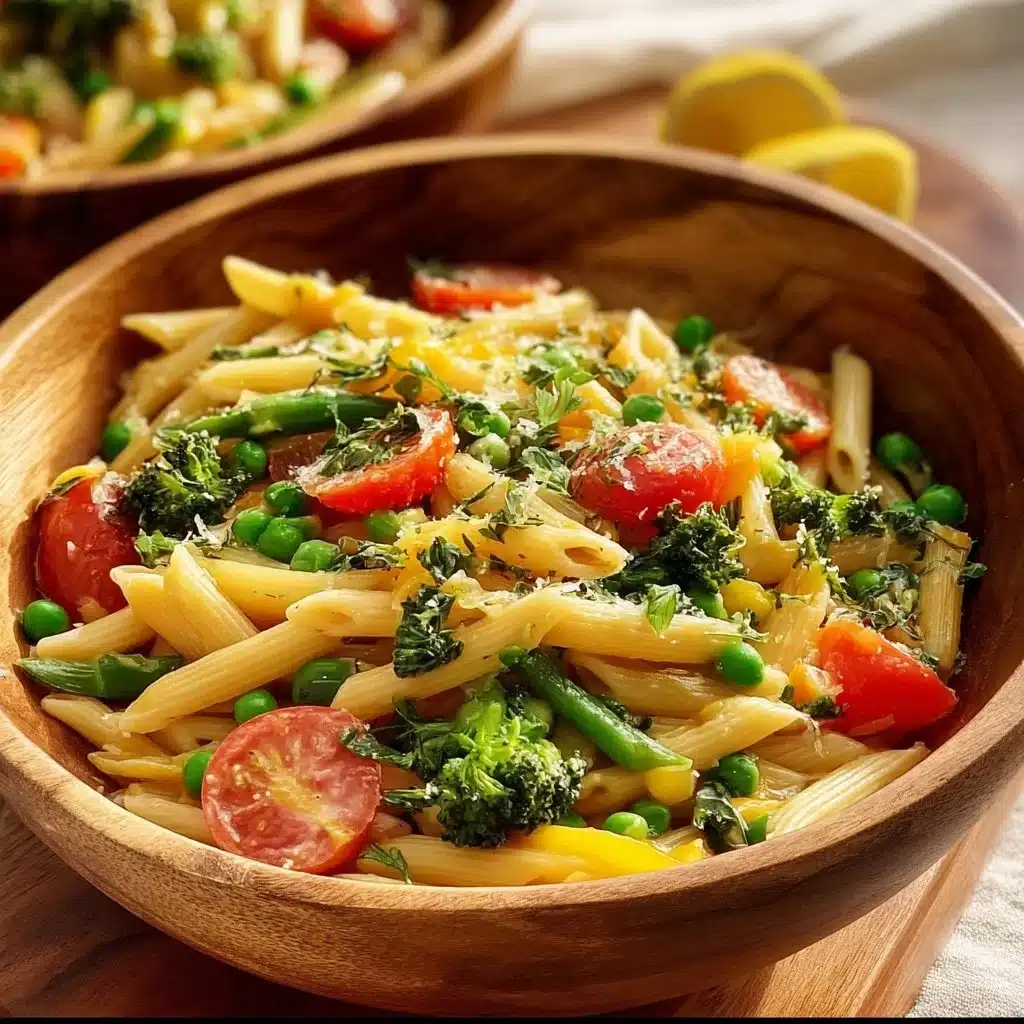
Classic Pasta Primavera
Classic Pasta Primavera is a delightful and colorful dish that brings together the best of fresh vegetables and pasta. This recipe allows you to create a vibrant meal that is perfect for any occasion. With its mix of textures and flavors, it is not only a feast for the eyes but also a delicious way to enjoy seasonal produce. The combination of pasta and vegetables makes it a nutritional powerhouse, providing you with fibers, vitamins, and minerals.
Why Make This Recipe
Pasta Primavera is a fantastic choice for several reasons. First of all, it is simple to prepare, making it perfect for both beginners and experienced cooks. You can have a delicious meal on the table in under 30 minutes! This dish is also incredibly versatile; you can use whatever vegetables are in season or available in your fridge. Moreover, it’s a great way to include more vegetables in your diet without sacrificing flavor or satisfaction.
Furthermore, Pasta Primavera can be a vegetarian dish, combining wholesome ingredients and allowing you to enjoy vibrant flavors without meat. Plus, it can easily cater to different dietary preferences by adjusting a few key elements. With just some basic ingredients and a little creativity, you can make a pasta dish everyone will love.
How to Make Classic Pasta Primavera
Ingredients
- 8 oz pasta (spaghetti, fettuccine, or penne)
- 2 tbsp extra virgin olive oil
- 4 cloves garlic (minced)
- 1 cup bell peppers (mixed colors, sliced)
- 1 medium zucchini (sliced into half-moons)
- 1 cup cherry tomatoes (halved)
- 1/2 cup fresh basil (chopped)
- 1 cup vegetable broth
- 1/2 cup Parmesan cheese (grated)
- Salt and pepper to taste

Directions
Cook the Pasta: Start by bringing a large pot of salted water to a boil. Add the 8 oz of pasta of your choice (spaghetti, fettuccine, or penne) and cook according to the package instructions until it reaches an al dente texture. This usually takes about 8 to 10 minutes. Just before draining, make sure to reserve some of the pasta water. This starchy water can be helpful later in achieving the perfect sauce consistency.
Sauté the Garlic: While the pasta is cooking, heat a large skillet over medium heat. Add 2 tablespoons of extra virgin olive oil to the skillet and allow it to heat up for a minute. Once the oil is warm, add the 4 cloves of minced garlic. Sauté the garlic for about one minute until it becomes fragrant. Be careful not to overcook it, as burnt garlic can impart an unpleasant bitterness to your dish.
Add the Vegetables: Next, add the sliced bell peppers (1 cup, mixed colors), the sliced zucchini (1 medium), and halved cherry tomatoes (1 cup) to the skillet. Stir-fry the vegetables for about 4 to 5 minutes. You want them to be tender but still have a crisp texture.
Combine Pasta and Vegetables: Once the vegetables are cooked to your liking, add the drained pasta to the skillet. Pour in 1 cup of vegetable broth while gently tossing the mixture together. This will help to coat the pasta and vegetables with flavor. If you find that the dish is too dry, add some reserved pasta water a little at a time until you reach your desired sauce consistency.
Season the Dish: Season the mixture with salt and pepper to taste. Add 1/2 cup of chopped fresh basil and 1/2 cup of grated Parmesan cheese. Stir everything well to combine. The cheese will melt slightly and give the dish a creamy texture while the basil brightens up the flavors.
Serve: Finally, serve your Pasta Primavera in plates or bowls. You can garnish it with a drizzle of extra olive oil and a sprinkle of Parmesan cheese, adding an extra touch of flavor and presentation.
How to Serve Classic Pasta Primavera
Pasta Primavera is best served warm immediately after cooking. You can place it in bowls or on individual plates, making it easy for your guests to enjoy. A little extra garnish of fresh basil and a drizzle of high-quality olive oil can elevate the dish further. It pairs wonderfully with a side salad or a slice of crusty bread, making for a complete meal. If you’re feeling indulgent, a glass of light white wine, like Sauvignon Blanc, is a great accompaniment.
How to Store Classic Pasta Primavera
If you have leftovers, don’t worry. Storing Pasta Primavera is easy. To store, simply place the leftover pasta in an airtight container. It can be stored in the refrigerator for up to 3 days. If you notice that the pasta absorbs too much of the liquid, you might want to add a little vegetable broth or olive oil when reheating to bring back some moisture.
When you are ready to eat the leftovers, reheat them in a pan over low heat. You can add a splash of vegetable broth or a drizzle of olive oil to help revive the dish. Alternatively, you can also use a microwave to heat it, ensuring it doesn’t overcook and become mushy.
Tips to Make Classic Pasta Primavera
Choose Fresh Vegetables: The key to a great Pasta Primavera lies in using fresh, seasonal vegetables. Feel free to mix and match according to what you like. Some great options include asparagus, broccoli, or even peas.
Don’t Overcook the Vegetables: You want your vegetables to have a little crunch. They should be tender but still crisp when you bite into them.
Adjust the Broth: Depending on how creamy you want the sauce, you can adjust the amount of vegetable broth. Start with 1 cup and add more if needed.
Use the Right Pasta: While traditional recipes often recommend specific types of pasta, you can use your favorite pasta shape to make the dish.
Make It Vegan: You can easily make this dish vegan by omitting the Parmesan cheese or using a plant-based alternative. Nutritional yeast is a great substitute that offers a cheesy flavor without dairy.
Variation
There are many delicious variations of Pasta Primavera. Some ideas include:
Protein Addition: You can add grilled chicken, shrimp, or tofu to make the dish more filling and add a protein source.
Spicy Version: If you enjoy heat, consider adding in red pepper flakes while sautéing the garlic or tossing in sliced jalapeños.
Herb Variations: Instead of basil, you can use other fresh herbs such as parsley, thyme, or oregano to provide a different flavor profile.
Creamy Version: For a creamy twist, whisk together some heavy cream or a dairy-free cream alternative with the vegetable broth before adding it to the pasta and veggies.
FAQs
1. Can I use frozen vegetables in Pasta Primavera?
Yes, you can use frozen vegetables if fresh ones are not available. Just be sure to thaw and drain them before adding them to the skillet to avoid excess moisture.
2. How can I make Pasta Primavera gluten-free?
To make this recipe gluten-free, simply substitute the regular pasta with a gluten-free pasta option. Rice noodles or lentil-based pasta work well.
3. What can I do if I don’t have vegetable broth?
If you don’t have vegetable broth, you can use water as a substitute. The dish won’t be as flavorful, so consider adding a bit more seasoning or some soy sauce for added depth.
4. How can I make this dish more filling?
Add protein such as chicken, shrimp, or chickpeas to make it more substantial. You can also increase the amount of pasta if you are serving more people.
5. Is Pasta Primavera good for meal prep?
Absolutely! Pasta Primavera is great for meal prep. Just make sure not to overcook the vegetables if you plan to store leftovers, as they can become mushy when reheated.
By following this guide, you can create a delicious Classic Pasta Primavera that is sure to please everyone around your table. Enjoy the bright colors, wonderful flavors, and the satisfaction of a homemade meal!
Print
Classic Pasta Primavera
- Total Time: 25 minutes
- Yield: 4 servings 1x
- Diet: Vegetarian
Description
A delightful and colorful dish that brings together fresh vegetables and pasta, making it a nutritional powerhouse filled with vibrant flavors.
Ingredients
- 8 oz pasta (spaghetti, fettuccine, or penne)
- 2 tbsp extra virgin olive oil
- 4 cloves garlic (minced)
- 1 cup bell peppers (mixed colors, sliced)
- 1 medium zucchini (sliced into half-moons)
- 1 cup cherry tomatoes (halved)
- 1/2 cup fresh basil (chopped)
- 1 cup vegetable broth
- 1/2 cup Parmesan cheese (grated)
- Salt and pepper to taste
Instructions
- Cook the Pasta: Bring a large pot of salted water to a boil. Add the pasta and cook until al dente, about 8 to 10 minutes. Reserve some pasta water before draining.
- Sauté the Garlic: Heat the olive oil in a skillet over medium heat, add minced garlic, and sauté for about one minute until fragrant.
- Add the Vegetables: Stir in the bell peppers, zucchini, and cherry tomatoes. Stir-fry until tender but crisp, about 4 to 5 minutes.
- Combine Pasta and Vegetables: Add the drained pasta and vegetable broth to the skillet. Toss to coat, adding reserved pasta water as needed for sauce consistency.
- Season the Dish: Stir in salt, pepper, basil, and Parmesan cheese until combined and creamy.
- Serve immediately, garnished with extra olive oil and Parmesan if desired.
Notes
Best served warm and can be stored in the refrigerator for up to 3 days. Reheat gently to avoid overcooking the vegetables.
- Prep Time: 10 minutes
- Cook Time: 15 minutes
- Category: Main Course
- Method: Sautéing
- Cuisine: Italian
Nutrition
- Serving Size: 1 serving
- Calories: 350
- Sugar: 5g
- Sodium: 400mg
- Fat: 12g
- Saturated Fat: 4g
- Unsaturated Fat: 6g
- Trans Fat: 0g
- Carbohydrates: 45g
- Fiber: 3g
- Protein: 15g
- Cholesterol: 30mg
Keywords: Pasta Primavera, vegetarian pasta, quick pasta recipes, colorful pasta, healthy pasta dish