
Why Make This Recipe
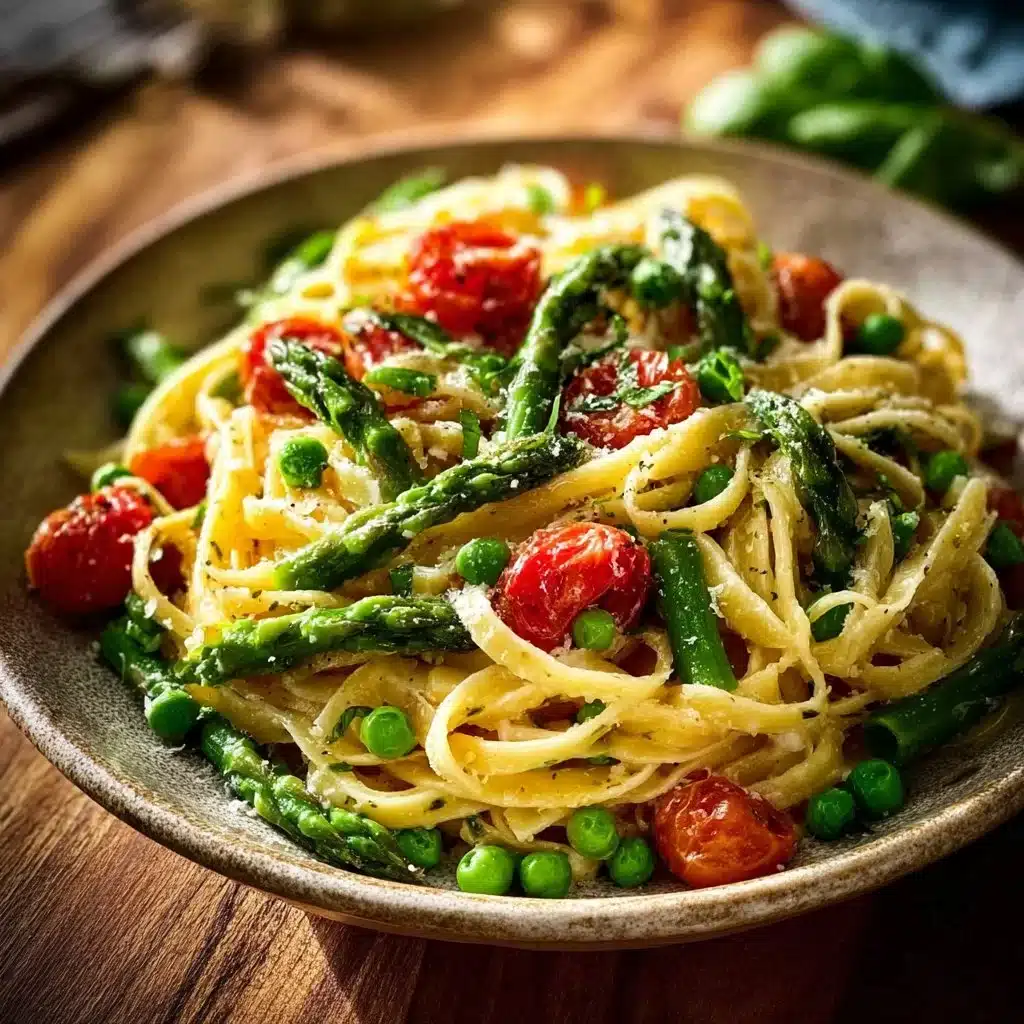
Creamy Spring Pasta Primavera is the perfect recipe for those looking to enjoy a fresh, vibrant meal that is not only delicious but also packed with nutritious vegetables. The combination of tender pasta, colorful veggies, and a rich, creamy sauce makes this dish a feast for both the eyes and the palate. It’s great for a family dinner, impressing guests, or simply enjoying a comforting meal. Plus, it showcases the best flavors of spring, making it a seasonal favorite.
This dish is not only mouthwatering but also versatile. You can easily customize the vegetables based on what you have on hand or what’s in season. The creamy sauce can be adjusted for thickness, richness, and flavor, making this recipe suitable for various dietary preferences. Whether you are a pasta lover or just looking for a way to eat more vegetables, Creamy Spring Pasta Primavera is sure to become a go-to recipe in your cooking repertoire.
How to Make Creamy Spring Pasta Primavera
Making Creamy Spring Pasta Primavera is quick and straightforward, perfect for busy weeknights or leisurely weekends. Here’s how you can whip up this delightful dish in no time.
Ingredients
- 12 ounces Fettuccine (Base of the dish, provides structure; substitute with whole wheat or gluten-free pasta as needed.)
- 2 tablespoons Extra-Virgin Olive Oil (For sautéing vegetables, adds richness; use any neutral oil if unavailable.)
- 1 bunch Asparagus (Main vegetable, provides crunch and flavor; trim ends and cut into 1-inch pieces.)
- 1 cup Snap Peas (Adds sweetness and crunch; snow peas can be used as a substitute.)
- 1 small Zucchini (Adds moisture and softness; can be replaced with yellow squash.)
- 1 cup Mushrooms (Adds umami depth to the dish; any mushrooms can work, like cremini or button.)
- 3 cloves Garlic (Enhances flavor; use garlic powder in a pinch (1 teaspoon).)
- 1 cup Cherry Tomatoes (Brightens the dish with acidity; substitutions with diced tomatoes are possible.)
- 1 cup Baby Spinach (Adds color and nutrients; kale can be a substitute, but should be sautéed longer.)
- 1 cup Frozen Peas (Quick addition for sweetness; no thawing required; can replace with fresh peas.)
- 3 tablespoons Unsalted Butter (Base for the sauce, providing richness; can use dairy-free butter for a lighter version.)
- 1 tablespoon All-Purpose Flour (Thickening agent for the sauce; cornstarch can work for a gluten-free version (1 teaspoon).)
- ½ cup Heavy Whipping Cream (Forms the creamy base of the sauce; use a dairy-free cream alternative as a substitute.)
- ½ cup Milk (2% or whole; adjusts sauce consistency; almond or oat milk can be used for a dairy-free version.)
- ½ cup Grated Parmesan Cheese (Adds flavor and creaminess; nutritional yeast can replace for a vegan option.)
- 1 tablespoon Lemon Zest (Brightens the flavors; can substitute with lime zest if unavailable.)
- 3 tablespoons Fresh Basil (Provides freshness; dried basil can be used, but reduce quantity (1 tablespoon).)
- Salt and Black Pepper (To taste; enhances all flavors.)
Directions
Step-by-Step Instructions
Cook the Pasta: Begin by bringing a large pot of salted water to a boil. Once boiling, add the fettuccine and cook according to the package directions until al dente. This usually takes about 8-10 minutes. Once cooked, reserve about 1 cup of the pasta water and then drain the pasta in a colander. Set it aside.
Sauté the Vegetables: In a large skillet, heat the extra-virgin olive oil over medium heat. Once the oil is hot, add the asparagus pieces. Sauté for about 3-4 minutes until the asparagus is tender and bright green. Add the snap peas, zucchini, and mushrooms, continuing to sauté for another 5-6 minutes until all the vegetables are tender but still crisp.
Add Garlic and Tomatoes: Stir in the minced garlic and cherry tomatoes. Cook for an additional 2-3 minutes until the garlic is fragrant and the tomatoes begin to soften.
Make the Sauce: Push the vegetables to one side of the skillet. In the empty side, melt the unsalted butter over medium heat. Once melted, sprinkle the all-purpose flour over the butter and whisk to create a roux. Cook for about 1 minute to remove the raw flour taste.
Combine Ingredients: Gradually whisk in the heavy whipping cream and milk, stirring constantly until the mixture is smooth. Allow it to simmer for a couple of minutes until it thickens slightly. If it becomes too thick, add some reserved pasta water to adjust the consistency.
Finish the Cream Sauce: Stir in the grated Parmesan cheese, lemon zest, and a pinch of salt and black pepper to taste. Then fold in the cooked fettuccine, baby spinach, and frozen peas. Toss everything together for a couple of minutes over low heat until all is heated through and well combined.
Add Fresh Herbs: Lastly, add the fresh basil, stirring gently to incorporate. Taste and adjust seasoning as needed.
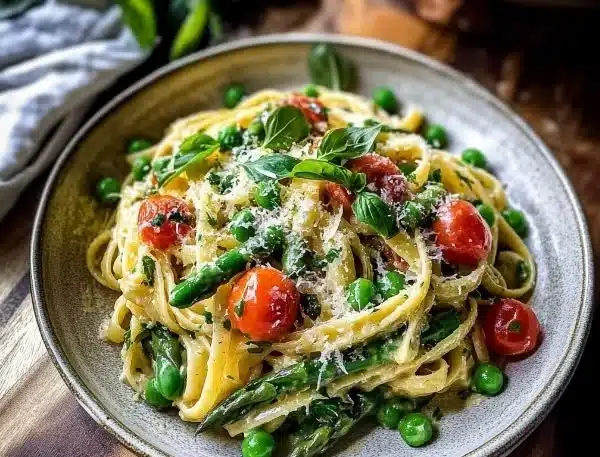
Serve: Plate the pasta primavera immediately, garnishing with extra Parmesan cheese and basil, if desired.
How to Serve Creamy Spring Pasta Primavera
Creamy Spring Pasta Primavera can be served immediately after cooking. It makes an excellent main dish but can also be paired with garlic bread or a fresh green salad for a fuller meal. You can sprinkle some extra Parmesan cheese or a few fresh basil leaves on top for a decorative and tasty finish.
If you want to elevate the dish even further, you can drizzle some balsamic reduction over the top, adding a touch of sweetness and acidity that pairs beautifully with the creamy sauce.
How to Store Creamy Spring Pasta Primavera
If you have leftovers, storing them is simple! Follow these tips to keep your pasta primavera fresh:
Refrigeration: Allow the pasta to cool to room temperature, then transfer it to an airtight container. It will keep well in the fridge for 3-4 days.
Freezing: While it is best fresh, you can freeze portions for later. Place the cooled pasta in freezer-safe containers, ensuring to leave some space for expansion. It can last in the freezer for 2-3 months. To reheat, thaw in the refrigerator overnight and warm gently in a skillet with a splash of milk or cream to bring back the creamy texture.
Tips to Make Creamy Spring Pasta Primavera
Fresh Veggies: Use fresh, seasonal vegetables for the best flavor. If the vegetable is out of season, opt for frozen varieties that can be just as tasty.
Cook Pasta Efficiently: Cook the pasta while you are sautéing the vegetables. This saves time and ensures everything is hot and ready simultaneously.
Adjust Creaminess: Not a fan of heavy cream? You can reduce the amount of heavy whipping cream and substitute with more milk, or even use all milk for a lighter version.
Make Vegetarian: This recipe is already vegetarian-friendly, but if you want to add protein like grilled chicken or shrimp, do so during the final stages of cooking for the best results.
Customize Herbs: Feel free to switch up the herbs according to your taste. Thyme, oregano, or even a hint of dill can add a different flavor profile.
Variation
For a twist on this classic recipe, consider adding different proteins or grains. Grilled chicken, shrimp, or even chickpeas can enhance the dish. For a different crunch, try adding roasted nuts or seeds on top before serving. You could also experiment with different types of pasta, such as penne or farfalle, to provide a new texture.
FAQs
1. Can I use different types of pasta?
Yes! Feel free to use any pasta shape you prefer. Whole wheat or gluten-free options work well for those with dietary restrictions.
2. Is it necessary to use heavy cream?
Heavy cream adds richness, but you can substitute it with half-and-half, whole milk, or a dairy-free alternative to lighten the sauce.
3. Can I make this recipe vegan?
Absolutely! Substitute the butter with vegan butter, use dairy-free milk and cream, and replace Parmesan cheese with nutritional yeast.
4. What vegetables can I substitute in this recipe?
You can use any fresh veggies you like such as bell peppers, carrots, or broccoli. Just remember to adjust cooking times based on the vegetables you choose.
5. How can I make this dish spicy?
If you enjoy a bit of spice, add crushed red pepper flakes while sautéing the vegetables or toss in some diced jalapeños for an extra kick.
Now you have everything you need to make a delightful Creamy Spring Pasta Primavera. Enjoy experimenting with the recipe, and happy cooking!
Print
Creamy Spring Pasta Primavera
- Total Time: 45 minutes
- Yield: 4 servings 1x
- Diet: Vegetarian
Description
A fresh and vibrant pasta dish packed with nutritious vegetables, creamy sauce, and the best flavors of spring.
Ingredients
- 12 ounces Fettuccine
- 2 tablespoons Extra-Virgin Olive Oil
- 1 bunch Asparagus, trimmed and cut into 1-inch pieces
- 1 cup Snap Peas
- 1 small Zucchini, diced
- 1 cup Mushrooms, sliced
- 3 cloves Garlic, minced
- 1 cup Cherry Tomatoes, halved
- 1 cup Baby Spinach
- 1 cup Frozen Peas
- 3 tablespoons Unsalted Butter
- 1 tablespoon All-Purpose Flour
- ½ cup Heavy Whipping Cream
- ½ cup Milk
- ½ cup Grated Parmesan Cheese
- 1 tablespoon Lemon Zest
- 3 tablespoons Fresh Basil, chopped
- Salt and Black Pepper, to taste
Instructions
- Cook the pasta in a large pot of salted boiling water until al dente, about 8-10 minutes. Reserve 1 cup of pasta water, then drain and set aside.
- Sauté the vegetables: Heat olive oil in a skillet over medium heat, add asparagus, and sauté for 3-4 minutes. Add snap peas, zucchini, and mushrooms, cooking for another 5-6 minutes.
- Add minced garlic and cherry tomatoes, cooking for an additional 2-3 minutes until fragrant.
- Make the sauce by pushing vegetables to one side, melting butter on the other, and whisking in flour to form a roux.
- Combine heavy cream and milk, whisking until smooth, allowing to simmer until slightly thick.
- Finish the sauce by stirring in Parmesan, lemon zest, and seasoning. Fold in fettuccine, spinach, and peas.
- Add fresh basil, gently stirring to incorporate.
- Serve immediately, garnishing with extra Parmesan and basil as desired.
Notes
Customize the vegetables and herbs based on your preference or what’s in season for a personalized touch.
- Prep Time: 15 minutes
- Cook Time: 30 minutes
- Category: Main Course
- Method: Sautéing
- Cuisine: Italian
Nutrition
- Serving Size: 1 serving
- Calories: 400
- Sugar: 6g
- Sodium: 450mg
- Fat: 18g
- Saturated Fat: 8g
- Unsaturated Fat: 8g
- Trans Fat: 0g
- Carbohydrates: 52g
- Fiber: 4g
- Protein: 14g
- Cholesterol: 40mg
Keywords: pasta, primavera, creamy, spring, vegetarian