
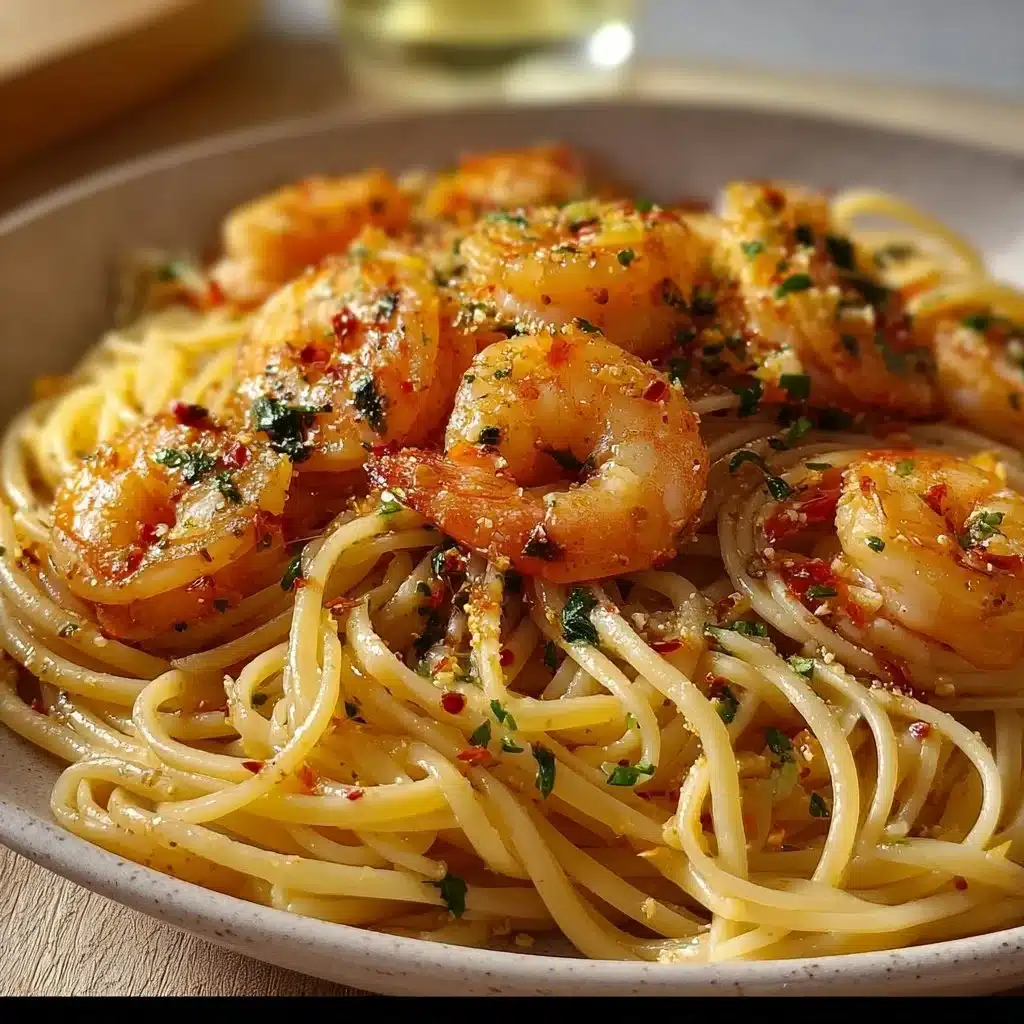
why make this recipe
Lemon Garlic Pasta with Shrimp is a fantastic dish that combines the bright, zesty flavors of lemon and garlic with tender shrimp and pasta. This recipe is not just about taste; it’s also quick and easy to prepare. Whether you’re cooking for yourself, your family, or entertaining guests, this dish offers a delightful and satisfying meal that can impress anyone at the dinner table. The balance of the garlic and lemon creates a fresh flavor that’s perfect for any occasion, making it an ideal choice for a weeknight dinner or a special gathering. Plus, it’s a great way to incorporate seafood into your diet!
how to make Lemon Garlic Pasta with Shrimp
Ingredients
- 8 oz spaghetti
- 1 lb shrimp, peeled and deveined
- 4 cloves garlic, minced
- 1/4 cup olive oil
- 1 lemon, juiced and zested
- 1/4 cup fresh parsley, chopped
- Salt and pepper to taste
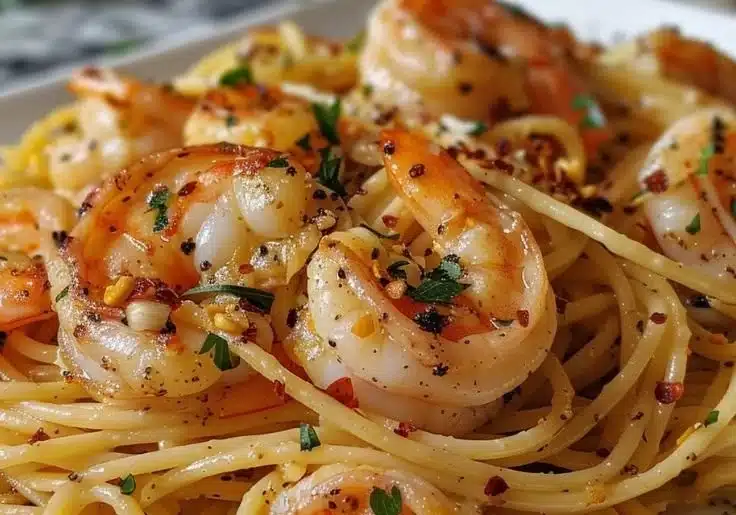
Directions
Cook the spaghetti: Start by cooking the spaghetti according to the package instructions. Make sure to add a pinch of salt to the boiling water before adding the pasta. This will help enhance the flavor of the spaghetti. Cook it until it’s al dente, usually around 8 to 10 minutes, and then drain it. Reserve a small cup of pasta water for later.
Prepare the skillet: While your pasta is cooking, take a large skillet and heat the olive oil over medium heat. Allow the oil to warm up for a minute or so but be careful not to let it smoke, as that can burn the oil.
Add garlic: When the oil is hot, add the minced garlic to the skillet. Sauté it for about 1 minute until it becomes fragrant. This step releases the wonderful aroma of garlic, setting the stage for a delicious dish.
Cook the shrimp: Next, add the peeled and deveined shrimp to the skillet. Cook the shrimp for about 3 to 4 minutes, turning them occasionally. You want them to turn pink and opaque, which means they are cooked through. Avoid overcooking the shrimp, as they can become rubbery.
Combine flavors: Once the shrimp are ready, add the lemon juice, lemon zest, salt, and pepper to the skillet. Stir everything together to ensure the flavors meld well. The lemon creates a bright and zesty flavor that pairs perfectly with the shrimp.
Toss the spaghetti: Now, it’s time to combine the spaghetti with the shrimp mixture. Add the drained spaghetti to the skillet and toss everything together. If you find that it’s a little too dry, you can add a splash of the reserved pasta water to create a saucier consistency.
Garnish: Lastly, sprinkle the chopped fresh parsley over the dish. This adds a beautiful pop of color and freshness, enhancing both taste and presentation.
Serve: Your Lemon Garlic Pasta with Shrimp is now ready to serve! Enjoy it warm, and feel free to add some extra lemon zest or parsley on top for a lovely finish.
how to serve Lemon Garlic Pasta with Shrimp
When it comes to serving Lemon Garlic Pasta with Shrimp, presentation plays a key role. Use a wide pasta bowl or individual plates to showcase the colorful dish. You can top each serving with a sprinkle of fresh parsley for a vibrant look.
Consider serving it with a side salad or garlic bread to create a fuller meal. A crisp green salad with a simple vinaigrette pairs nicely with the flavors of the pasta, adding freshness. You can also offer a chilled glass of white wine, such as Pinot Grigio or Sauvignon Blanc, to complement the citrus notes in the dish.
how to store Lemon Garlic Pasta with Shrimp
If you have leftovers of this delightful dish, storing it properly can help retain its delicious flavors. Allow the pasta to cool to room temperature before storing. Then, transfer it to an airtight container. It can be kept in the refrigerator for up to two days.
To reheat, simply place it in the microwave for a quick option, or heat it in a skillet over low heat. You may want to add a little olive oil or a splash of water to prevent it from drying out during reheating. This dish is best enjoyed fresh, but with proper storage, you can savor it again later.
tips to make Lemon Garlic Pasta with Shrimp
Use fresh ingredients: For the best flavor, use fresh garlic and fresh parsley. Fresh shrimp also make a big difference. If time allows, choose shrimp that are still shells on; they’ll have a fresher taste once cooked.
Don’t overcook the shrimp: Shrimp cooks quickly, and it can turn rubbery if overcooked. Keep an eye on them and remove them from heat once they turn pink and opaque.
Adjust the seasoning: Taste the dish before serving and adjust the salt and pepper according to your preference. You can also add more lemon juice if you like a stronger lemon flavor.
Play with pasta: While spaghetti is a classic choice, you can switch it up with other types of pasta like fettuccine, linguine, or even gluten-free pasta.
Add some heat: If you enjoy spicy dishes, consider adding a pinch of red pepper flakes when sautéing the garlic. This will give the dish a delightful kick!
variation
While this recipe is delicious as-is, options for variation can make it even more exciting. Here are a few ideas:
Add vegetables: You can include vegetables like spinach, cherry tomatoes, or asparagus to add nutrition and color. Simply toss them in the skillet with the shrimp to cook them lightly.
Creamy version: For a creamy lemon garlic pasta, stir in a little heavy cream or cream cheese after adding the lemon juice and zest. This will create a rich sauce that’s completely different but equally enjoyable.
Swap the protein: If you’re not a fan of shrimp or seeking a different flavor, try using chicken or scallops instead. The cooking times may vary slightly, so adjust accordingly.
FAQs
1. Can I use frozen shrimp?
Yes, you can use frozen shrimp. Just make sure to thaw them completely and pat them dry before cooking to avoid excess moisture.
2. How do I know when the shrimp are cooked?
Shrimp are done cooking when they turn pink and opaque. They should curl slightly but not be tightly curled, which can indicate overcooking.
3. Can I make this dish ahead of time?
While this dish is best enjoyed immediately, you can pre-cook the pasta and shrimp separately, then combine them just before serving.
4. Can I use gluten-free pasta?
Absolutely! You can substitute spaghetti with your favorite gluten-free pasta and follow the same cooking instructions.
5. What can I serve with this dish?
Lemon Garlic Pasta with Shrimp pairs well with a side salad, garlic bread, or even roasted vegetables. It’s a versatile dish that complements many sides.
With these tips and a step-by-step guide, you’re all set to impress with your Lemon Garlic Pasta with Shrimp. Enjoy cooking and savor every bite of this delightful dish!
Print
Lemon Garlic Pasta with Shrimp
- Total Time: 25 minutes
- Yield: 4 servings 1x
- Diet: Seafood
Description
A quick and easy dish that combines zesty lemon and garlic with tender shrimp and spaghetti for a delightful meal.
Ingredients
- 8 oz spaghetti
- 1 lb shrimp, peeled and deveined
- 4 cloves garlic, minced
- 1/4 cup olive oil
- 1 lemon, juiced and zested
- 1/4 cup fresh parsley, chopped
- Salt and pepper to taste
Instructions
- Cook the spaghetti according to package instructions with a pinch of salt until al dente, about 8 to 10 minutes, then drain and reserve pasta water.
- Heat the olive oil in a large skillet over medium heat.
- Add the minced garlic and sauté for about 1 minute until fragrant.
- Cook the shrimp for 3 to 4 minutes, turning until they are pink and opaque.
- Combine lemon juice, zest, salt, and pepper in the skillet with the shrimp.
- Toss the drained spaghetti with the shrimp mixture, adding reserved pasta water if needed.
- Garnish with fresh parsley before serving.
Notes
Serve with a side salad or garlic bread for a fuller meal. Can be enjoyed with a glass of white wine.
- Prep Time: 10 minutes
- Cook Time: 15 minutes
- Category: Main Course
- Method: Sautéing
- Cuisine: Italian
Nutrition
- Serving Size: 1 serving
- Calories: 400
- Sugar: 1g
- Sodium: 350mg
- Fat: 15g
- Saturated Fat: 2g
- Unsaturated Fat: 10g
- Trans Fat: 0g
- Carbohydrates: 50g
- Fiber: 3g
- Protein: 20g
- Cholesterol: 150mg
Keywords: pasta, shrimp, lemon garlic, quick dinner, Italian recipe, seafood dish