
Why Make This Recipe
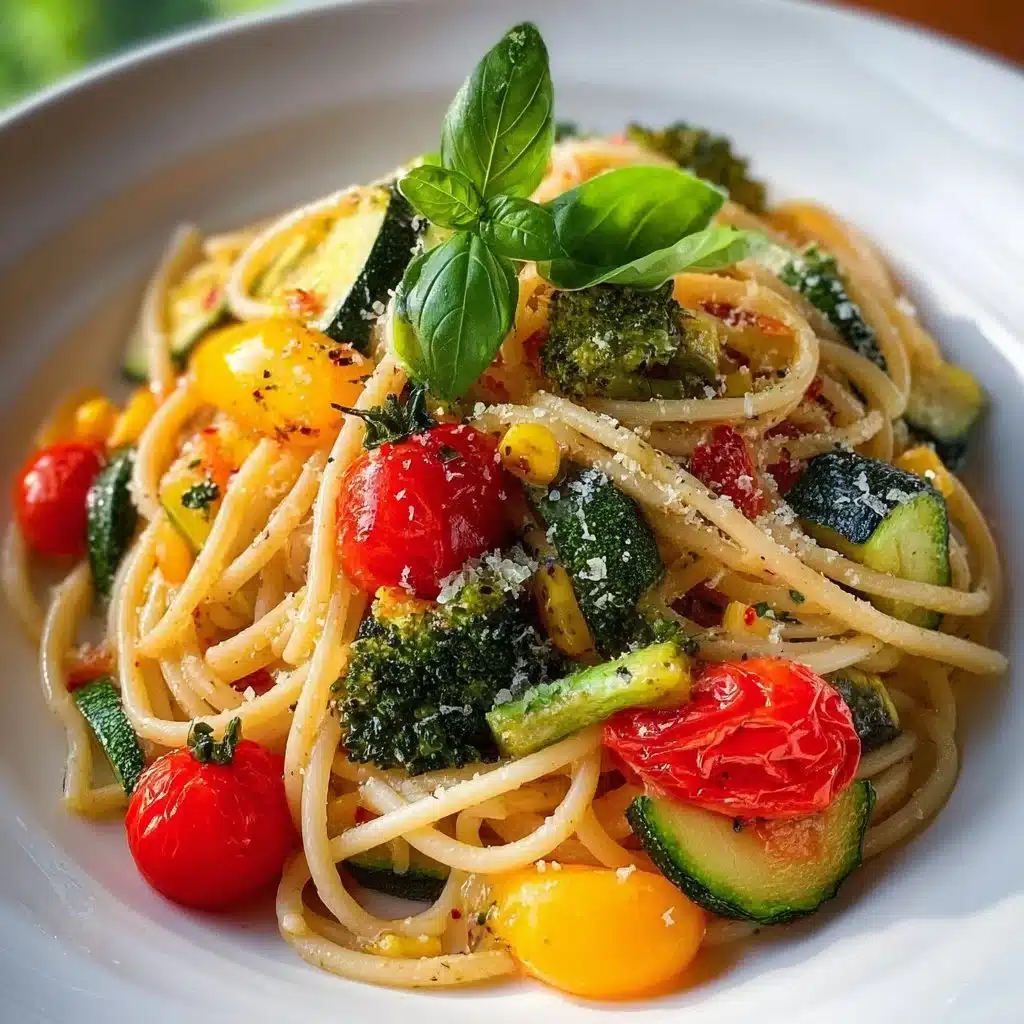
Spring Pasta is a delightful dish that brings together fresh, vibrant ingredients to create a meal that is not just tasty but also colorful. As the seasons change, so does the availability of seasonal vegetables. Utilizing these fresh ingredients not only enhances the taste but also makes this dish a healthy choice. This pasta is light yet satisfying, perfect for a quick weeknight dinner or a special gathering. The combination of garlic, bell pepper, zucchini, and cherry tomatoes makes this dish refreshing and full of flavor.
Spring Pasta is easy to prepare and can be customized to suit your taste. Whether you like it light or rich, you can tweak the recipe by adding your favorite herbs or proteins. Not to mention, it’s a great way to introduce more vegetables into your diet without compromising on taste. This recipe is not only appealing to the eyes but also appeals to the palate, making it a popular choice for both adults and kids.
How to Make Spring Pasta
Ingredients
- 8 oz pasta (e.g., spaghetti or penne)
- 2 tablespoons olive oil
- 2 cloves garlic, minced
- 1 bell pepper, sliced
- 1 zucchini, sliced
- 1 cup cherry tomatoes, halved
- Salt and pepper to taste
- Parmesan cheese, grated (optional)
- Fresh basil or parsley for garnish (optional)
Directions
Cook the pasta: Begin by cooking the pasta according to the package instructions. Use plenty of salted water for cooking. Once cooked al dente, drain the pasta in a colander and set it aside. It’s okay if it cools slightly; you’ll be mixing it with the vegetables shortly.
Heat the oil: In a large skillet, heat 2 tablespoons of olive oil over medium heat. Olive oil helps in sautéing the garlic and vegetables, giving the dish a rich flavor.
Sauté garlic: Once the oil is hot, add the minced garlic to the skillet. Sauté the garlic for about 1 minute until it becomes fragrant. Be careful not to burn it as burnt garlic can leave a bitter taste.
Add bell pepper and zucchini: Next, add the sliced bell pepper and zucchini to the skillet. Cook these vibrant vegetables for about 3-4 minutes until they are slightly softened but still have some crunch. Stir occasionally to ensure even cooking.
Incorporate cherry tomatoes: Now, it’s time to add the halved cherry tomatoes. Cook for an additional 2-3 minutes. The heat will cause the tomatoes to soften and release their juices, creating a lovely sauce for the pasta.
Combine with pasta: Toss the drained pasta into the skillet with the sautéed vegetables. Mix everything together well, ensuring that the pasta is evenly coated with the olive oil and the juices from the vegetables.
Season: Sprinkle salt and pepper to taste. Remember that you can always adjust the seasoning according to your preference.
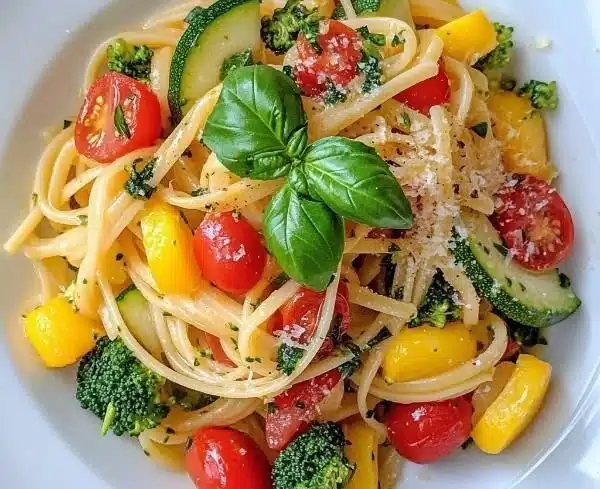
Serve: Serve the Spring Pasta warm. You can top it with grated Parmesan cheese and fresh herbs like basil or parsley for added flavor and presentation. Enjoy this healthy, colorful dish!
How to Serve Spring Pasta
Spring Pasta can be served warm as a main dish or as a side dish. It pairs wonderfully with grilled chicken or fish for a heartier meal. To enhance the experience, consider serving it with a light salad and some crusty bread to soak up any leftover juices on the plate.
For a casual dinner setting, you can serve the pasta directly from the skillet, allowing guests to help themselves. If you’re hosting a more formal meal, plating the pasta individually can add an elegant touch.
How to Store Spring Pasta
If you have leftovers, you can store them in an airtight container in the refrigerator. Make sure to let the pasta cool down before sealing it in the container to keep it fresher for longer. It’s best consumed within 2-3 days. Reheating is simple; you can microwave it or heat it in a skillet with a little olive oil or water to loosen the pasta.
Avoid freezing this dish as the fresh vegetables may alter in texture when thawed and reheated. However, if you want to freeze it, consider cooking the pasta and vegetables separately and then combining them once thawed.
Tips to Make Spring Pasta
Choose the right pasta: While spaghetti or penne works well, feel free to experiment with other types of pasta like farfalle or fusilli for fun shapes.
Don’t overcook the vegetables: The key to this dish is keeping the vegetables slightly crisp. Overcooked veggies can lose their nutritional value and vibrant color.
Seasoning is key: Always taste your dish before serving. A pinch of salt or a squeeze of lemon juice can enhance the flavors significantly.
Make it your own: Feel free to add proteins like grilled chicken, shrimp, or chickpeas for added nutritional value. You can also make it vegan by skipping the Parmesan cheese.
Incorporate fresh herbs: Adding fresh basil or parsley not only enhances flavors but also provides a beautiful presentation.
Variation
For those looking to add a bit more variety to their Spring Pasta, consider the following options:
Add protein: Chicken, shrimp, or even tofu can be added for a more filling meal. Simply season them with salt, pepper, and your favorite spices, then cook them before adding to the pasta.
Cheese options: Besides Parmesan, you can try using feta or goat cheese for a different flavor profile.
Different veggies: Get creative! Spinach, asparagus, or even broccoli can be excellent additions or substitutions.
Spicy kick: If you enjoy some heat, add a pinch of crushed red pepper flakes while cooking the garlic.
FAQs
1. Can I use whole wheat or gluten-free pasta?
Yes, you can use whole wheat pasta for a healthier option. Gluten-free pasta works just as well; just make sure to follow the cooking instructions on the package.
2. How can I make this dish more filling?
To make Spring Pasta more filling, consider adding a protein source such as grilled chicken, shrimp, or chickpeas. You can also serve it alongside a side salad or garlic bread.
3. Can I prepare this dish ahead of time?
While it’s best served fresh, you can prepare the vegetables and cook the pasta ahead of time. Just combine them when you’re ready to serve for the best taste and texture.
4. What can I substitute if I don’t have cherry tomatoes?
If cherry tomatoes are not available, you can substitute with diced regular tomatoes. Just make sure to cook them until soft.
5. Are there any alternatives to olive oil?
Yes, you can use other oils like avocado oil or even butter, though olive oil is preferred for its flavor and health benefits.
By following this straightforward guide, you can create a delicious Spring Pasta that not only celebrates seasonal produce but also pleases the taste buds. Enjoy the freshness of spring all year round with this simple and versatile recipe!
Print
Spring Pasta
- Total Time: 25 minutes
- Yield: 4 servings 1x
- Diet: Vegetarian
Description
A delightful Spring Pasta dish combining fresh vegetables for a vibrant and healthy meal that’s perfect for any occasion.
Ingredients
- 8 oz pasta (e.g., spaghetti or penne)
- 2 tablespoons olive oil
- 2 cloves garlic, minced
- 1 bell pepper, sliced
- 1 zucchini, sliced
- 1 cup cherry tomatoes, halved
- Salt and pepper to taste
- Parmesan cheese, grated (optional)
- Fresh basil or parsley for garnish (optional)
Instructions
- Cook the pasta: Begin by cooking the pasta according to the package instructions. Use plenty of salted water for cooking. Once cooked al dente, drain the pasta and set it aside.
- Heat the oil: In a large skillet, heat 2 tablespoons of olive oil over medium heat.
- Sauté garlic: Once the oil is hot, add the minced garlic to the skillet and sauté for about 1 minute until fragrant.
- Add bell pepper and zucchini: Add the sliced bell pepper and zucchini to the skillet. Cook for about 3-4 minutes until slightly softened, stirring occasionally.
- Incorporate cherry tomatoes: Add the halved cherry tomatoes and cook for an additional 2-3 minutes until softened.
- Combine with pasta: Toss the drained pasta into the skillet with the sautéed vegetables, mixing well.
- Season: Sprinkle with salt and pepper to taste.
- Serve: Serve warm, topped with optional grated Parmesan cheese and fresh herbs.
Notes
Great served with grilled chicken or fish for a heartier meal.
- Prep Time: 10 minutes
- Cook Time: 15 minutes
- Category: Main Course
- Method: Sautéing
- Cuisine: Italian
Nutrition
- Serving Size: 1 serving
- Calories: 400
- Sugar: 6g
- Sodium: 350mg
- Fat: 15g
- Saturated Fat: 2g
- Unsaturated Fat: 10g
- Trans Fat: 0g
- Carbohydrates: 48g
- Fiber: 4g
- Protein: 12g
- Cholesterol: 5mg
Keywords: spring pasta, vegetarian pasta, fresh vegetables, quick dinner, healthy recipe